My 2021 began hideously hungover. I wept at a BBC Four documentary about the cultural history of the poem ‘Auld Lang Syne’, wolfed down serving after serving of tomato pasta (the only thing I can stomach in such a condition) and winced at empty bottles of Corona lying around all over the place, the playful irony of twelve hours previous now seeming exceedingly gauche. In between the dollops of pesto and wailing, I stumbled upon a four-part documentary series on BBC iPlayer called ‘Celebrity: A 21st Century Story’. I watched the series compulsively and found that it immediately forced me to re-assess and reflect upon my own relationship with celebrity culture, particularly as a member of the ‘tween’ market targeted during those unchartered rampant days of celebrity consumerism in the Noughties.
What began as a New Year’s essay in response to that single series has turned into a year-long retrospective project: in the past twelve months I have found myself constantly musing upon and internally pickling the issues of fame, celebrity and the power structures and dynamics that shaped the beginning of this millennium, as well as my relationship with them. My grappling with personal feelings and thoughts about this aspect of popular culture has been both mirrored in and fuelled by what became a wider societal re-appraisal of the Noughties that only gathered momentum throughout the year. From the New York Times’ ‘Framing Britney Spears’ in February and her unprecedented address of the court in June regarding her experience living under a conservatorship; to Mischa Barton’s compelling interview with the Guardian also in June; to the article in British Vogue’s July 2021 issue about the resurgence in ‘vintage’ Noughties trends like Blink 182 T-shirts, Fendi ‘bag-ettes’ and low-rise jeans and more; to Beyoncé and Adele speaking to their experiences with fame in Harper’s Bazaar and Vogue respectively; and the climactic ending of Spears’ conservatorship in November, the stories of the women harassed and demonised during the Noughties are, rightly, coming centre stage. What was confined and repressed is finally being given air to breathe.
Absorbing and horrifying in equal measure, ‘Celebrity: A 21st Century Story’ charted the Western obsession with fame and celebrity culture from Channel 4’s ‘Big Brother’ to Instagram, through the cultural intersections of gender, class and politics. The documentary is nigh-on academic in its scope, covering reality television, print media, the treatment of young women like Paris Hilton, Lindsay Lohan, Amy Winehouse, the ‘WAGs’, Donald Trump, Boris Johnson, the Kardashians, Perez Hilton, TOWIE, the casts of Love Island and, of course, Britney Spears (in, I would argue, an even more gut-wrenching way than the New York Times’ ‘Framing Britney’ documentary, simply because her story is told within a four-hour wider context of misogyny and exploitation), and more.
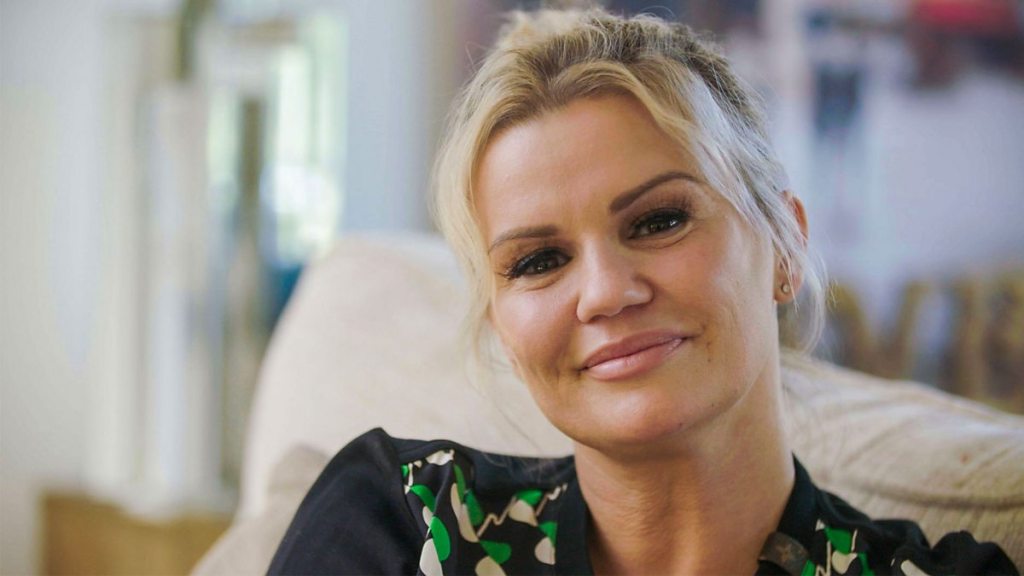
Amidst the laying bare of the gross misogyny that many, particularly young women of my generation, consumed on a weekly basis in magazines like ‘Heat’, the documentary gave a platform for the likes of Kerry Katona, Charlotte Church and many others to speak about the hell that their lives were, so preyed upon they became by paparazzi and photographers. Who, however, to blame for this nauseating mess is ambiguous. Figures in the media industry pointed to an insatiable public appetite for such coverage, whilst the case is also made that the public’s desire for more was (and is) constructed and manufactured by those who claim they are just giving people ‘what they want’. Do we level the blame for aggressive, intrusive celebrity-baiting at the armies of paparazzi trying to earn a living, or the people who employed them? The magazine editors, the media conglomerates who published the images? The celebrities for making a choice to live a life that in the glare of public judgment? It is very unclear and maybe there doesn’t need to be a definitive answer: the point is, and well-articulated by YouTuber Broey Deschanel in her video essay ‘The Systemic Abuse of Celebrities’, is that a life lived in the spotlight as a ‘celebrity’, whether as an A-List actress or as a YouTube vlogger and influencer, becomes, perhaps inevitably, a form of abuse.
The opening notes of the 21st century are undoubtedly sour and sobering. In light of how amazing human beings can be, I couldn’t help asking: what the hell were we thinking? The opening of a new century, a new millennium, has been completely marred and defined by cruelty, excess, mass produced objectification and vilification as sport. The Faustian exchange that celebrity life encapsulates undoubtedly causes a huge amount of suffering for the human beings at the centre, which we may have always known deep-down but has all too frequently, perhaps, been forgotten in the mass-produced heady dopamine rush of alighting upon the latest mishap or scandal. These human beings, in their nuance and multiplicities, have been dehumanised and objectified, rendered symbols and screens for the shadow of the collective unconscious- everything we cannot accept and embrace within ourselves- and held to impossible standards of perfection in a game they can never win. For me personally, one of the most sobering moments was listening to footage of Keira Knightley on the BBC Radio 4 podcast series ‘Pieces of Britney’, another longform exploration of the treatment of young female celebrities during the Noughties. The clip, taken from an interview with Jonathon Ross in 2007, shows Knightley at the tender age of 22 beginning to shake as she describes relentless paparazzi intrusion into her life. It’s hard to believe that such a candid admission on national television was never taken seriously enough beyond Ross’ platitudes, and that no cultural conversation emerged around the terror facing young women on a regular basis. I cannot believe we were all, myself included, blind to it.
And, of course, it goes even deeper than this. What I think is important to analyse, along with the gender and class undertones of the abuse suffered by Spears, Lohan, Barton, Winehouse and Knightley etc., are the very obvious racial dynamics at play: there is a lot to learn about the inner psychology of white supremacy from looking at the ways in which these women were treated. Primarily, as brilliantly critiqued by Simran Hans in ‘Pieces of Britney’, the ‘white trash’ criticism levelled at Spears in particular was a deeply racially coded term, employed to shame her for her behaviour’s perceived proximity to blackness. Young white women were effectively punished by media outlets, acting as bastions for white supremacy, for acting in a way that was indicative of a betrayal of their race. As a result, this systemic punishing of white young women, bears all the classic hallmarks of breathtaking misogyny, with their bodies and whiteness being fetishized and objectified to the extent that their humanity is purposefully forgotten. It also demonstrates the sicknesses of self-loathing and self-hatred embedded within white supremacy. Ibram X Kendi describes white supremacy as a rain that we are all drenched in: white people believe they are safe from it because they are holding an umbrella, but that umbrella too is a structure of white supremacy. There is no escaping it. Similarly, writer and activist Rachel Cargle argues that white supremacy and racism are sicknesses that poison each generation: not just black people who are brutalised with it, but for white people who enact and espouse this violence, consciously and unconsciously. Perhaps the predatory behaviour of a culture that created a trap for preying on this group of white women is an example of this self-inflicted sickness. The seeming pleasure taken at torturing and brutalising these women, through paparazzi-hounding and endless abuse in print and internet media, is an offshoot of white supremacy, symptomatic of its paranoia in maintaining and perpetuating itself, punishing those who did not conform to its standards.
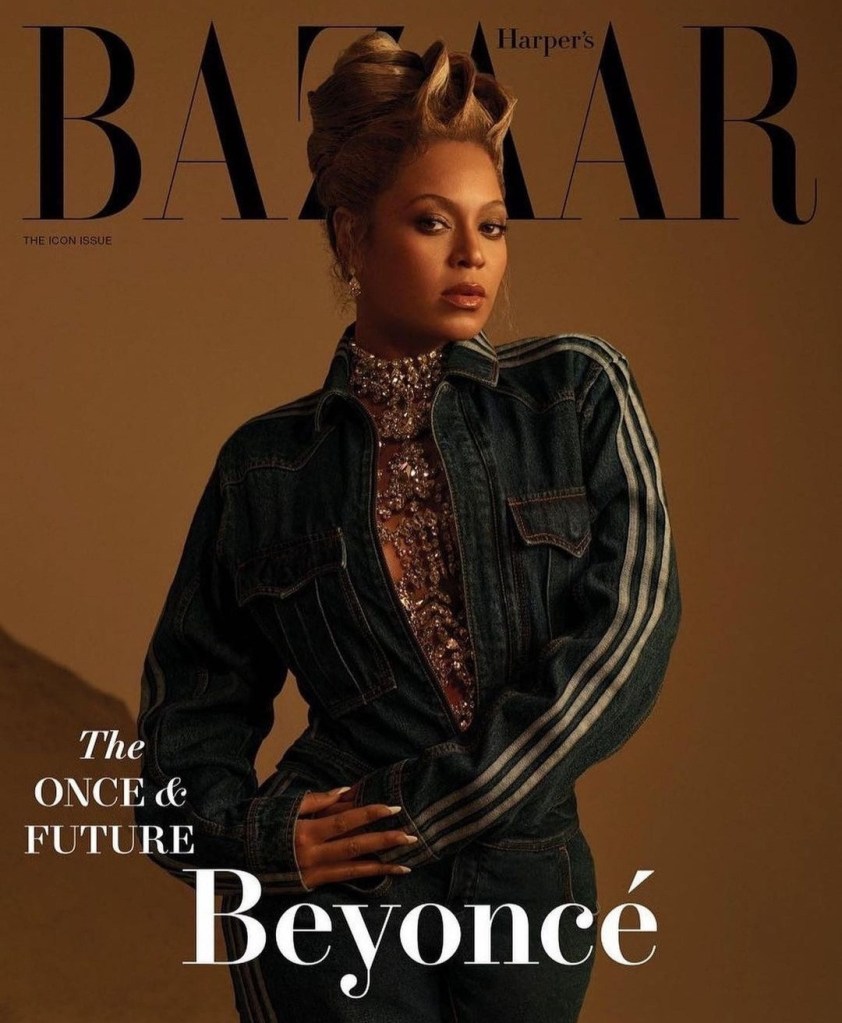
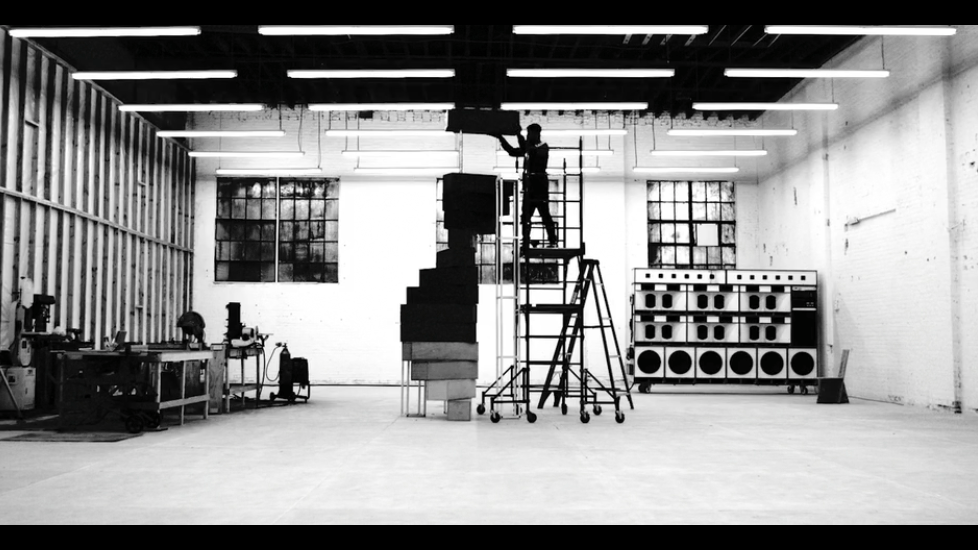
Of course, this coded abuse of white women walks in tandem with both the coded and overt abuse of BIPOC stars by the media. Whilst there was a predatory paparazzi focus on Spears, Hilton and Lohan in the Noughties, black artists and celebrities, then and now, have seen their lives, bodies and work unduly criticised, eradicated, appropriated and underappreciated by a white supremacist media culture. BIPOC stars face systemic racism that prevents them from being in the spotlight in the first place and then, once there, targeted with gaslighting, abuse and criticism from mainstream media as well as armies of social media trolls. As such, what I have observed is how boundaried some black muscians have been and become over this period of time, both preventatively and as a result of white supremacy’s toxic double standards and hypocrisies. Whilst none of these people have been strangers to racially coded criticism, it is clear that the likes of Beyoncé, Rihanna, Frank Ocean, Childish Gambino/Donald Glover, Tyler The Creator and others have combined vigilance and artistic ambiguity to stave off unhealthy media attention, working hard to keep themselves at arm’s length from the media woodchipper. Perhaps this is a self-protective proactive response in light of the ways in which black women like Nina Simone and Billie Holliday were torturously celebrated and reviled with equal measure. Be it through surprise album drops, hints and easter eggs on social media posts or downright disorientation- Frank Ocean’s green baby at the Met Gala in 2021 was genius- these black stars have refused to play the media game and, in so doing, have carved out truly experimental and industry redefining modes of work, art and being. Of course, the secrecy and vigilance is an additional, expensive layer of work and comes at many costs. Beyoncé talked about this explicitly in her rare interview with Harper’s Bazaar:
‘I’ve been intentional about setting boundaries between my stage persona and my personal life […] I’ve fought to protect my sanity and my privacy because the quality of my life depended on it’.
In a world of media gaslighting and wars over whose narrative succeeds, Beyoncé has painstakingly prioritised her cognitive and emotional clarity, setting down multiple lines that cannot be crossed in order to keep her and her family safe. She is emphatic about the importance for her boundaries, stating that:
‘those who don’t know me and have never met me might interpret that as being closed off. Trust – the reason those folks don’t see certain things about me is because my Virgo ass does not want them to see it… it’s not because it doesn’t exist!’
Beyoncé’s attention to detail in her art is legendary; the fact that this is also required to an astronomical extent to maintain her privacy and safety is an additional layer of work and effort that, whilst seemingly non-negotiable, requires a huge amount of energy and resources. But that emphatic, imperative ‘trust-’ is unequivocal: white supremacy may condemn her actions as ‘closed off’ but, ultimately, she is protecting herself. It’s a power move.
Whilst these high-profile black artists have been able to establish and assert boundaries through a consciously constructed ambiguity artistically and through heavily controlled and managed PR, white supremacy, of course, still manages to openly violate famous black people in the media. Whilst it may have become more difficult to smear the likes of Beyonce et al., who have become increasingly adept at wielding their own narrativizing power, there are groups of famous black people who are still incredibly vulnerable to targeted attacks. In recent years, racists and trolls have openly abused Leslie Jones and Lizzo: both powerful women in the own rights but, upon entering mainstream awareness, perhaps did not yet have enough cultural ubiquity or capital to secure their boundaries and safety. Concurrently, black successful sportswomen are hideously exposed to the forces of white supremacy to police and abuse them: Serena Williams, Simone Biles and Naomi Osaka have all faced systemic and spectatorial abuse online. Unlike the musicians, who are, perhaps, more able to obscure themselves behind veils of artistic expression, sport is, by its very nature, unfiltered and exposing. White supremacy is almost granted more access to these women, and, therefore, they are perhaps more vulnerable to its violence. The derision that white supremacy levels at these women, with a whole host of stereotypes, criticism and condescension thrown in, is particularly potent and widespread. Visibility seems to walk hand-in-hand with media abuse, so it would be impossible to critique the targeting of BIPOC women without mentioning Meghan Markle in the same breath. As a royal, one of her jobs was to be professionally watched and looked it, open to constant judgment, evaluation and criticism, much like the sportswomen. This made her vulnerable to intrusive levels of scrutiny and abuse, perhaps most pervasively when she was pregnant and undergoing a hugely significant physical transformation. This is not a coincidence.
*
Perhaps it is unsurprising then that, now, so many famous people are not only asserting their boundaries but also reclaiming their lives and narratives. Noticeably, over the past couple of years, there has been something of an uptick in the number of celebrity-produced documentaries that aim to offer a form of insight into the personal, private lives of celebrities. It may be easy to be dismissive when embarking upon a viewing of these documentaries about how constructed and constrained these forms of storytelling are, but there is no denying the chillingly dead looks in the eyes of young people, in particular, who are exhausted and have been nigh-on tortured by the circumstances their fame has brought them. To date, I have watched self-produced documentaries of and by Taylor Swift (Miss Americana, Netflix, 2020); Paris Hilton (This Is Paris, YouTube,2020); Billie Eilish (The World’s A Little Blurry, Apple TV,2021); Demi Lovato (Dancing With The Devil, YouTube,2021); and Justin Bieber (Seasons, YouTube, 2020). With Mischa Barton also stating this year in The Guardian that she wanted to produce a documentary about her life and experiences during the Noughties, perhaps we cannot blame these people from wanting to reclaim some of the agency, self-worth and power that seems to have be routinely and, often, catastrophically denied them. A lengthy comparison could be made of the aforementioned docs: some opt for a fly-on-the-wall format; some give lengthy insight into the artistic process of song writing and music production; some form a personal and musical retrospective. Even if the claims to candidness, authenticity and ‘truth’ telling are awkwardly performative, and require a healthy pinch of salt for the cynical, there is no doubting the catharsis on show when these figures are in control of their own narrative and it is oddly relieving and emotional to watch. Of course, however, they are not all unproblematic.
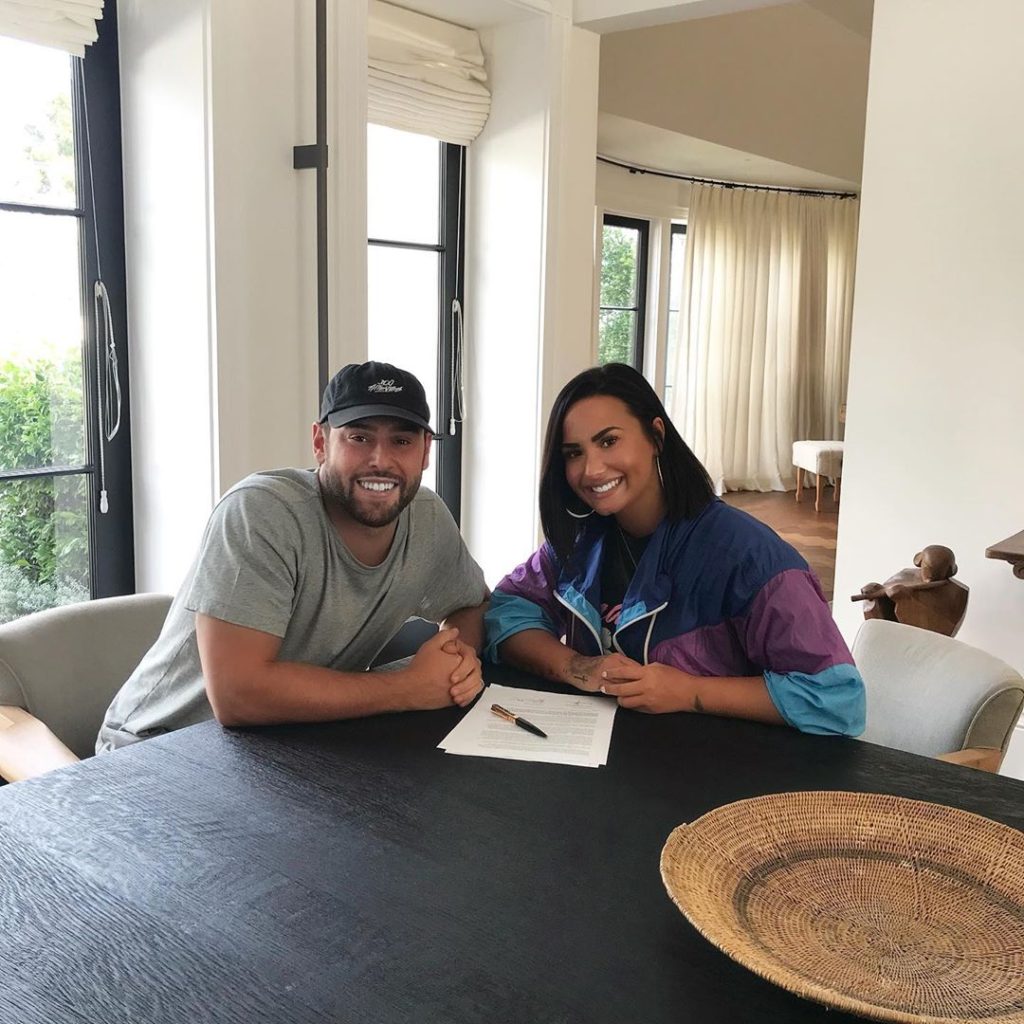
Justin Bieber and Demi Lovato, in particular, have centred Scooter Braun in their recovery narratives, as much a friend and a mentor as he is their manager. Yet, this nurturing sage-like presence on their documentaries simultaneously functions as a redemption platform for Braun who has, seemingly and allegedly, gone out of his way to undermine the authority and self-determination of Taylor Swift. Famously, Braun sold the rights and master recordings of her first six albums to an investment fund for $300 million, without her consent, playing the game of music’s industrial capitalism to reap huge financial rewards for himself and leaving an artist with little sense of control or ownership over her own songs. His presence on Lovato’s documentary in particular, whilst important to Lovato’s recovery from addiction, feels uncomfortable when he is an active part in a system that has undermined the personal and professional wellbeing of another talented young woman.
It would be grossly naïve to think that as a result of this cultural moment of reflection that there will be an overnight rejection of celebrity culture. Fame may still be an enticing prospect for many, but I think it is increasingly clear that it is a double-edged sword. As with many areas of our lives, for example with regards to our relationship with the climate crisis, there is, I would argue, an increasing onus on personal responsibility and accountability to ensure the safety of the collective. We need to be conscious and honest with ourselves when we get dragged into having startlingly impassioned opinions and conversations about people we do not know anything about. Why do I care about looking at Jennifer Lawrence with a baby bump? What am I being distracted from? Where does our desire to stew in negativity and delight in other people’s pain come from? How is the language we use causing harm? Even if we never take the steps to actually target celebrities with viciousness, the dehumanising and objectifying language we use to talk about them infects the way we see and speak to ourselves, as well as everyone around us. As a public, we have to acknowledge how infantile it is to obsess over other people and their lives when we could so better serve ourselves by training that spotlight back onto our own shit.
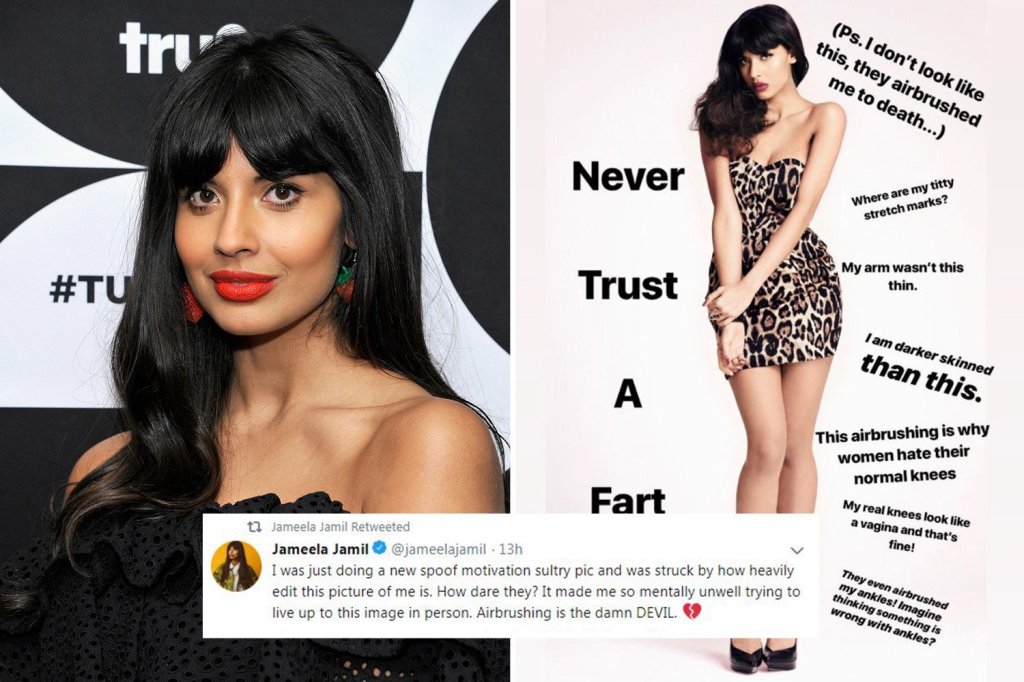
What I think is different, however, now compared to twenty years ago is that a culture of activism has flourished through social media. Whilst the abuse of celebrities will shapeshift and morph into a new means of expression, there are legions of people online ready to resist. We are all better off in a world with Jameela Jamil in it, for example, whose modelling of honesty and criticality on social media is exemplary. She cuts through bullshit like no one else, and is able to use her influence to affect change and empower others to do so, whether its advocating for Britney Spears and vulnerable demographics like trans and disabled people, or taking the fight for eating disorder prevention right to politicians and lawmakers in the US. The key is to remind people of the power they do have: it may not be overt embodied power that they feel on a daily basis, thanks to capitalism, but we all have the power to observe and challenge our own patterns and behaviours in this. Ironically, for many people this may mean abandoning social media all together: whilst there is much to gain from social media’s potential for connecting people and causes, it is also an aggressive, manipulative place that actively causes harm.
And for the already famous? I think we are going to see increasingly controlled and boundaried behaviour. Stars have always reflected on whether the bargains made for fame have been worth it and I think we will see more and more reflections on this in the years to come, including retreats from visibility: symbolic of this, for example, is that Pamela Anderson left social media behind in January 2021, before this year’s reappraisal of celebrity culture even began. Whilst I don’t think we’ll see a mass exodus in her wake, because personal photos posted to social media will always be more valuable than paparazzi shots and the power this enables celebrities to retain is significant, celebrities will undoubtedly assert new means and methods of control to undermine and undercut the role of traditional media in abusing them. They have every right to do so and I believe we will all benefit as a result.
We keep changing all the time
The best ones lost their minds
So I’m not gonna change
I’ll stay the same
No rose left on the vines
Don’t even want what’s mine
Much less the fame
It’s dark, but just a game
It’s dark, but just a game
‘Dark But Just A Game’, Chemtrails Over The Country Club, Lana Del Rey
 Harping On