Love Note – Beach Music

In a couple of weeks I am swapping rainy old England with the warmer environs of Mallorca and I can’t bloody wait. After a very busy year, I am completely ready to park myself on a beach with my stack of contemporary literature (I’m trying to remove myself from the nineteenth century and read more current things), a couple of cold beers and my favourite beachy playlist. I know I am ridiculously lucky to be able to get away from it all for a bit and I am relishing the opportunity to switch off and zone out.

Of course, however, because we are all constantly flirting with burnout, phone-addiction and have the attention-span of goldfish, myself included, it can take a little while to completely unwind from the rat race that is life in twenty first century Britain. Even though I want to just switch off, it feels difficult to do so. Additionally, travel has become slightly more anxiety-inducing for me personally because it removes me from routine, the security I feel from being in my beloved home and because the onset of new sights, sounds, smells and sensibilities can be very over-stimulating. Feeling anxious about going on holiday doesn’t hold me back from travelling, but I definitely have to consciously take stock and ease myself into the groundlessness that new experiences and exciting adventures bring me.

Meditation helps, my gratitude practice helps and of course, music helps to alleviate the kind of liminality that I sometimes experience when I’m on holiday. There is nothing better than a summery playlist to accompany a lazy sojourn on the beach. Here are my favourites from past and present beach trips that help me fully immerse myself in my beautiful surroundings and relieve any anxious quibbles or digital withdrawals I might experience whilst being on holiday.

Lana Florida Kilos

‘Florida Kilos’, Lana Del Rey, Ultraviolence – Old faithful. I actually quite disliked this song when I first heard it. But after a week spent listening to it with a lemon lolly and warm sunshine, I realised that a beach setting for listening to it was all that was missing.

Kendrick Lamar Blow My High

‘Blow My High’, Kendrick Lamar, Section 80 – Super-duper chilled and fun, with tributes to Aaliyah and Lisa Left-Eye Lopes, this is one of Kendrick’s more light-hearted outputs. It bubbles and pops with youthfulness.

Kendrick Lamar The Recipe

‘The Recipe’, Kendrick Lamar, ft. Dr Dre, Good Kid, M.A.A.D City – Kendrick again because he is a babe. A more badass beach song than ‘Blow My High’, but then what would you expect with Dr Dre on board. This is a song for serious sunbathing done seriously and truly allows you to indulge in your good fortune at being on holiday.

Michael Kiwanuka

‘Cold Little Heart’, Michael Kiwanuka, Love and Hate – This song evokes images of the rugged Californian coast thanks to its use as the title music for fantastic HBO show Big Little Lies. The full ten minute version of this song is an epic, bluesy opener to a truly stunning album and is a whole story in itself. Gorgeous song, gorgeous voice, gorgeous situation.

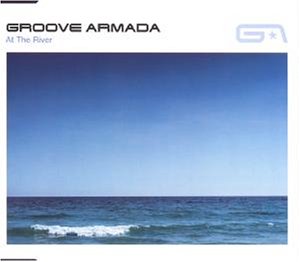
Groove Armada

‘At the River’, Groove Armada, Northern Star – This is a quintessential chillout song that has been a permanent fixture on Harping On holidays since 1998. It is perfect for setting the mood when you arrive at your destination and provides a musical portal to escape from the chaos of modern life.

Mylo

‘Sunworshipper’, Mylo, Destroy Rock and Roll – I can’t convey how wonderful this song is. It is a pure chillout classic, with an optimistic, bohemian otherworldliness to it. Features the classic repeated line: ‘And so I took off on my bicycle’.

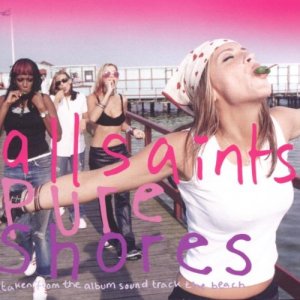
All Saints 2

‘Pure Shores’, All Saints, Saints and Sinners – Take me to my bloody beach. This song is so atmospheric and an instant relaxant whenever there is sand, sea and sangria nearby. In fact, it’s an instant relaxant wherever you are.

Rye Rye

‘Sunshine’ ft. M.I.A, Rye Rye, Go! Pop! Bang! – This song was on the soundtrack of Sofia Coppola’s classic film The Bling Ring and is a fun, catchy hymn to summer time. Sings from the same beachy sheet as ‘Blow My High’.

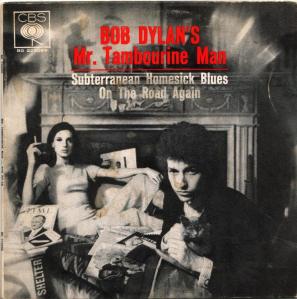
bob-dylan-mr-tambourine-man-cbs-2

‘Mr Tambourine Man’, Bob Dylan, Bringing It All Back Home – The first time I heard this song I was driving home from a festival with two friends and we all cried. It is slightly melancholy, perfect story-telling about free spiritedness and having nothing to do and nowhere to go. Makes me think about that point in your holiday where you start calling your hotel/AirBnB/apartment/flat/other fleeting holiday accommodation, ‘home’.

Tame Impala

‘Feels Like We Only Go Backwards’, Tame Impala, Lonerism – Seductive synth, mind-bending lyrics and a twinkling voice over the top, this song is an effective daydream, perfect for staring out at the sea and warming your feet in the sand.

One for good luck:

Lana West Coast

Lana Del Rey – Paradise, Ultraviolence, Honeymoon, Lust for Life LPs are all generally perfect for the hot beach holiday (windswept beach walking holidays in Spring/Autumn times are a different kettle of fish). I love Born to Die but it’s why more of a cityscape/ small town-trip record scenario.

Old, old favourites from beach holidays gone by:

Christina Aguilera – ‘Primer Amor’ and ‘Infatuation’, both from Stripped

Mis-Teeq – ‘Strawberrez’, Eye Candy

Michael Jackson – ‘Remember the Time’, History

Rihanna – ‘Say It’, Good Girl Gone Bad

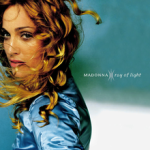
Madonna – ‘Beautiful Stranger’, Ray of Light

Justin Timberlake – ‘Senorita’ (in fact, all of Justified)


220px-Christina_Aguilera_-StrippedMisteeqRihannaRay_of_Light_Madonna

Love Note – Graphic Novels

The world is full of dark, difficult and complex issues that need to be sensitively and appropriately discussed. War, genocide, abuse, loss and our hopes of building a better life for ourselves are all incredibly difficult conversations that need to take place: but how? Is there are right way to talk about these things? How can we ensure that we get the greatest insight into the emotional and critical upheaval when unimaginable things happen? This is where art and literature have always been important. Film, visual art, poetry and novels have always helped to expand our understanding of what it means to experience life and all of the social, political and archetypal challenges that we face. Representation of experience is crucial in helping us to understand the world around us, but when what we are talking about is so traumatic or challenging, it is even more important to think about how these are presented.

Graphic novels, otherwise known as comics, are an almost niche area of textual production that are, in my opinion, some of the best media for representing conflict and its fallout. Edward Said, in his tribute to Joe Sacco’s Palestine wrote that:

‘In ways that I still find fascinating to decode, comics in their relentless foregrounding […] seemed to say what couldn’t otherwise be said, perhaps what wasn’t permitted to be said or imagined, defying the ordinary processes of thought, which are policed, shaped and re-shaped by all sorts of pedagogical as well as ideological pressures. I knew nothing of this then, but I felt that comics freed me to think and imagine and see differently’.[1]

Graphic novels help us to ‘see differently’ because they are a hybrid form that combines accessible, but no less wonderfully ambiguous and complex, art with punchy storytelling. They give an imaginative and, at times, extremely personal telling of stories, bringing drawings and language into conversation. Fragments of images, language and spatial organisation on a page builds an almost compulsive narrative that can at once expose and explode systemic injustice and power structures (what are complicit with Said’s ‘ordinary processes of thought’), whilst also attempting to make sense of the personal experience within them. I don’t think it’s a coincidence that some of the most famous graphic novels are autobiographical memoirs, which focus on the experience of the individual against the backdrop of something much greater and, oftentimes, misunderstood or difficult to represent. We have two confusing and compelling worlds clashing, the public and the private, and the graphic novel attempts to navigate us through both.

I find reading graphic novels to be an incredibly immersive and compelling experience. I recently finished reading Malik Sajad’s Munnu and had to share my thoughts on this text and some of my other favourite graphic novels. These texts take us to the depths and fringes of human experience, re-write what we think about the world, countries within the world, and the people within them. They blow open preconceptions and stereotypes that we are fed, and my understanding of conflict and world history, is all the more rich and nuanced as a result.

Maus, Art Spiegelman, 1980
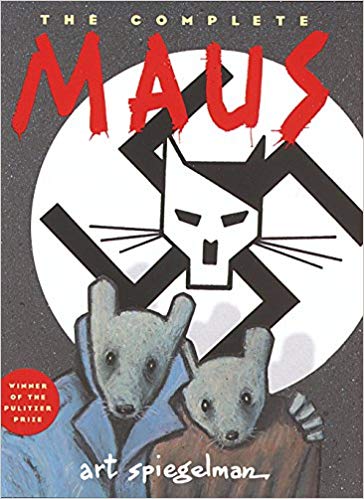
 

Maus


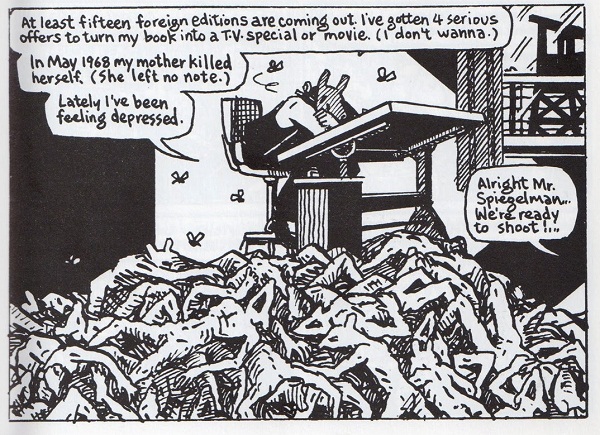
Maus is one of, what I consider to be, the Holy Trinity of graphic novels. It portrays Spiegelman as a young cartoonist, interviewing his father Vladek about his experiences during the Holocaust. The comic charts Vladek’s survival of Nazi atrocities, but also portrays Spiegelman’s oftentimes strained and difficult relationship with his father. The two regularly butt heads in ways family members often do when a deep amount of love and respect is patched over with trauma, neurosis and unrealistic expectations. Notably, the characters in Maus are all presented as animals to represent their different ethnic groups: Jews are depicted as mice, Nazis as Germans and Americans as dogs. One of the panels that stood out most to me is one that presents Spiegelman himself wearing the mask of a mouse, sat at his desk, talking about the opportunities that have come with his novel’s publication. Around him are littered the bodies of Holocaust victims.
maus2

This panel suggests that through the production of Maus, Spiegelman has assumed almost unwanted ambassador status for his presentation of Holocaust testimony. The artificial mouse mask, tied at the back of his head, points to the idea that in the telling of this story, he has almost performed his Jewish identity, and become a spokesperson for Holocaust victims and survivors in the process. He has achieved acclaim and appreciation off the back of so much death and horror, signified by the cadavers gathered around him and his drawing desk, yet still struggles to maintain his sticky relationship with his father. As a result, the dissonance between his success and the emotional burden his success has become weighs heavily on him, entangled as it is with feelings of guilt, misplaced responsibility and fraudulency. The Holocaust is such a difficult and upsetting subject to discuss and represent, and Spiegelman demonstrates great sensitivity and self-awareness in his handling of such a traumatic and barbaric event. The novel is not only a historical document of his own father’s survival, but also provides a platform for conversations about how we successfully represent the un-representable, and all the responsibility that brings.

Palestine by Joe Sacco, 1996
palestine cover

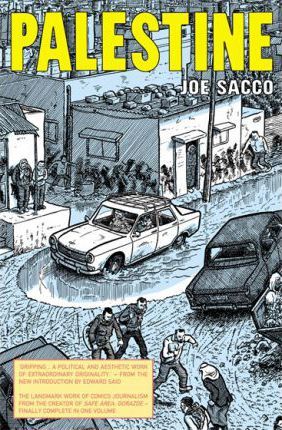
The second graphic novel in the Holy Trinity follows a Joe Sacco, an American journalist, travelling to Palestine and the Gaza Strip to witness and interview oppressed Palestinians during the Intifada. In the West we are given a very limited idea of the history and lived experience of Palestinians under Israeli occupation on the West Bank. This graphic novel has been hugely influential in its multi-dimensional perspective of conflict; and especially those conflicts that receive little traction in the news or are obscured by global and media power players. Sacco gives voices and faces to the seemingly unending hardship on the West Bank and in the Gaza Strip that easily bypasses the consciousness of many in the West. The violence and terror that Palestinian men, women and child experience on a daily basis is front and centre of Sacco’s novel, as he tracks his own journey from bystander and objective interviewer, to witness.

 

Palestine


Persepolis, Marjane Satrapi, 2000 and 2014
Persepolis cover

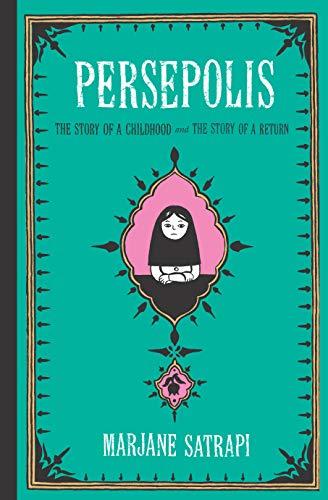
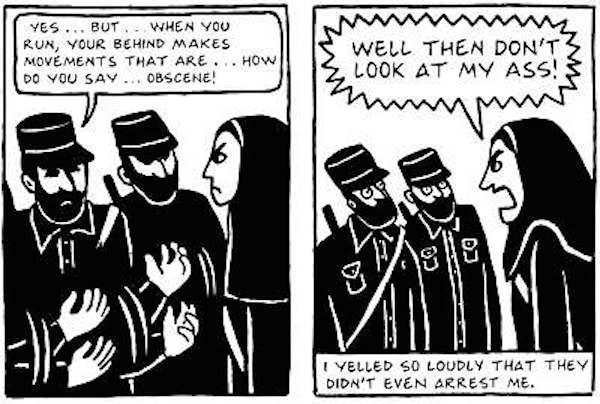
This novel is the third graphic novel in the Holy Trinity. Persepolis blew open what I knew and understood about Iran and Iranian history. As far as I was aware, when I first read this novel in 2010, Iran was a rogue bogeyman country, intent on making nuclear weapons to blow everyone up and destabilise the Middle East permanently, and that was the way things were and the way things always had been. As with my original perceptions of the Palestinian conflict, this graphic novel proved this idea of Iran to be completely limited and short-sighted. Through the story of her family and childhood, Satrapi presents Iran as a vibrant, secular country before the Islamic Revolution, and depicts the horror of war as Iran and neighbouring Iraq are drawn into a deadly conflict. She presents the oppressive practices and rules enforced in school and in public, in particular regarding women’s rights, whilst struggling with her own direction in life, with her time in Europe marred by racism and homelessness.
Persepolis

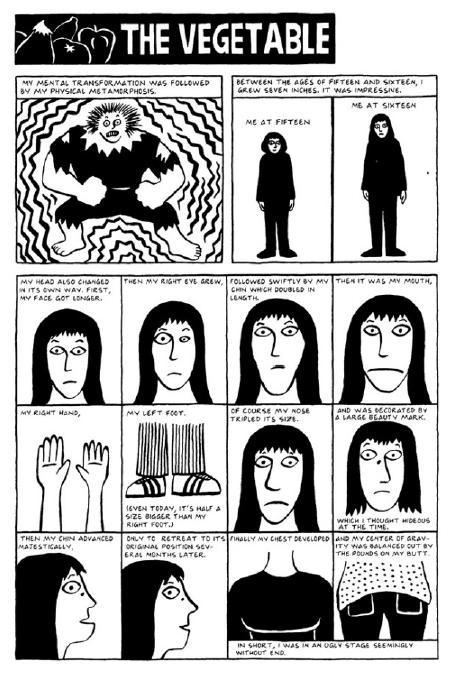
Persepolis is a coming-of-age story like no other, offsetting universal teenage angst and confusion (the start of The Vegetable chapter with panels of Satrapi’s face changing through puberty spoke to me like little else) with religious extremism and Western xenophobic bigotry. The novel provides both creative freedom for Satrapi to explore her own personal story and to shine a critical light on the injustices and pervasive power structures that successfully control people in both the East and West. At the same time, the graphic novel, with its black and white colour scheme and regular panels, successfully conveys the claustrophobia of living in a world where you are penned in by cultural expectations, conflict, bigotry and your own demons.
embodiment-1


Munnu: A Boy from Kashmir, Malik Sajad, 2015
Munnu

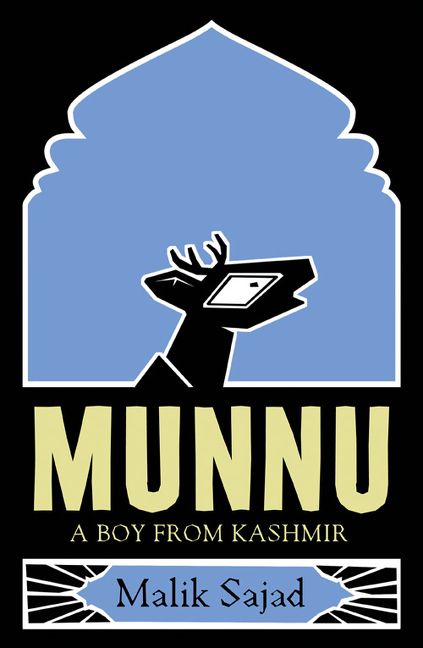
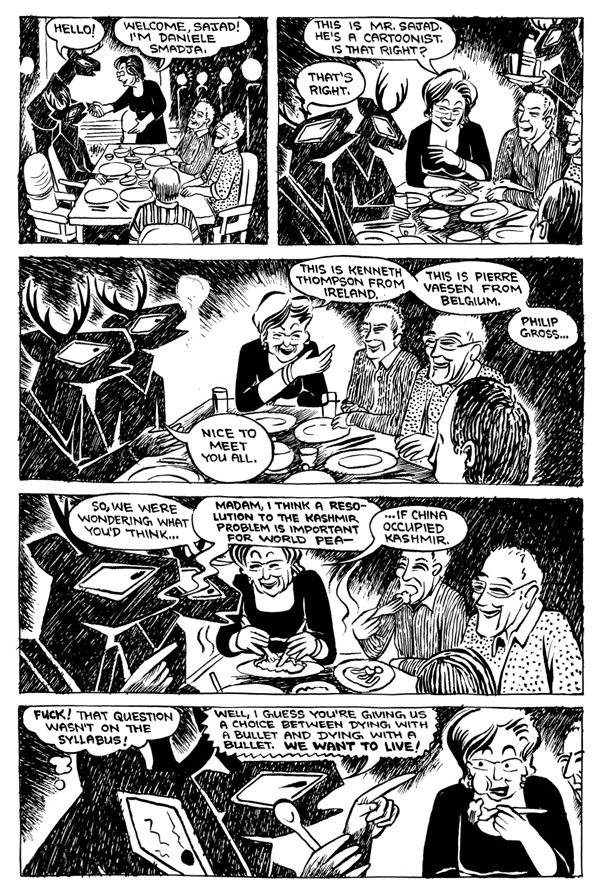
In the tradition of Maus, Persepolis and Palestine, Munnu follows the coming-of-age of the eponymous Munnu, the youngest member of a family living and hailing from war-torn and devastated Kashmir. In a similar vein to Maus, Sajad uses animals, specifically Kashmiri deer, to highlight Kashmiris’ endangered status as a free and independent people. The novel balances the intricacies and tensions surrounding the conflict and hypocrisies between Kashmir and India, Kashmir and Pakistan and amongst Kashmiri resistance groups, whilst also exploring family, existential anxiety and trauma as a result of conflict, and the power of cartoons to grant personal freedom. The final panel is particularly unnerving and unsettling, and I was most touched by young Munnu grappling with his fear of death. Munnu also critiques the West’s seeming inability to comprehend the severity of the conflict in Kashmir and its ineffectiveness in using diplomatic pressure and might to bring about a resolution.  I recently discovered that Munnu has not been published in India, which is very telling about the current tensions unfolding in Kashmir as a result of the occupation and how powerful, and thereby threatening, this graphic novel has been in exposing them.
eu-embed-sajad-malik


Red Rosa: A Graphic Biography of Rosa Luxemburg, Kate Evans, 2015
51DFPaAiudL._SX348_BO1,204,203,200_

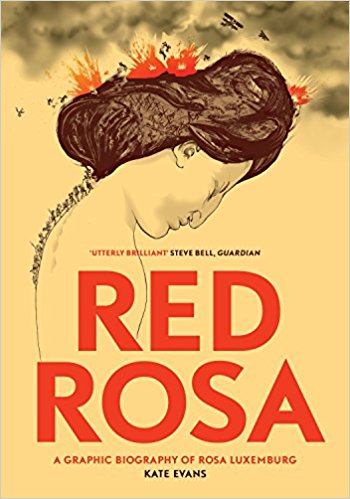
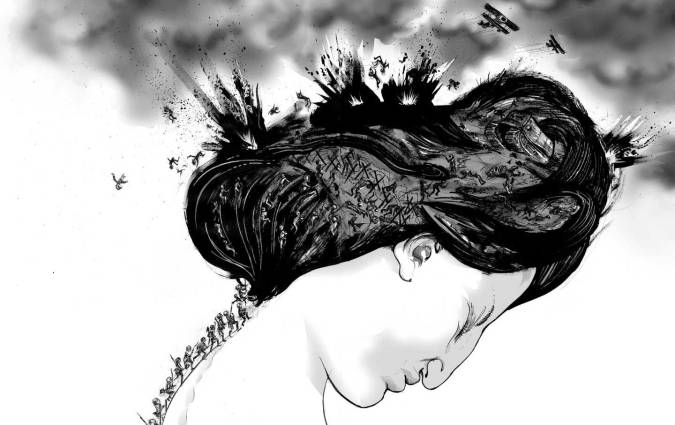
Rosa Luxemburg is a giant of the Left and nowhere else has her life and work been so beautifully presented and so articulately explained than in this graphic novel. Luxemburg’s philosophy that Marx was not beyond criticism, even though she took her political and economic position from his work, is a lesson for us all: nothing is beyond critical interrogation, especially the people we most admire and whose thinking has been the most influential for us. The concise and accessible exploration of Luxemburg’s philosophy includes her radical pacifism: my favourite panel coming with Luxemburg’s response to the First World War: head bowed, she is disturbed and weighed down by the destruction and wanton chaos of a war that will end nowhere and will result in the deaths of millions of working class people. Evans also gives us an insight into Luxemburg’s personal life, the incredible obstacles she overcame to become a writer and political leader, and her relationships with close friends, family and lovers along the way. This graphic novel, and its subject matter in Luxemburg, is absolutely inspiring.
RedRosa_extract_TheNation_img


Other graphic novels to explore:

Dragonslippers: This is what an abusive relationship looks like, Rosalind B. Penfold, 2006

Diary of a Teenage Girl, Phoebe Gloenecker, 2002

Threads: From the Refugee Crisis, Kate Evans, 2017

Tamara Drewe, Posy Simmonds, 2007


[1] Homage to Joe Sacco, http://journeyofideasacross.hkw.de/anti-narratives-and-beyond/edward-w-said.html [accessed 22/05/2019].

Love Note – Eurovision

This Saturday sees the return of the Eurovision Song Contest and I could not be more excited. This year, I have excellent friend and historical Eurovision-watching comrade Annie coming to visit from Manchester, I am drawing up a Eurovision bingo game, making cultural food plans (pierogi, baguettes and olives amongst other foodstuffs), organising an office sweepstake at work, and have my Spotify playlist of past-Eurovision favourites on repeat. I am raring to go for the Grand Final in a couple of days’ time.
I have always loved Eurovision. It is funny whilst both trying to be and trying not to be; it is colourful and vibrant; appeals to the ridiculousness in us all; and offers the perfect excuse to have a bit of a party. It curiously manages to hold a number of different positions: it suspends reality, through its gaudy spectacle and earnest hilarity that feels so far removed from the grim and turbulent political times that we are currently living through (and have always lived through, to an extent). However, it also embodies the inclusivity and positivity absolutely required to make the world a more joyful and tolerant place. Seeing Europe come together on the same night to mutually revel in Europop music, dry ice, random pyrotechnics, Graham Norton’s sarcastic critiques and, in some cases, yodelling, warms the cockles of this soppy Remainer heart. I have often thought that it takes a certain amount of self-awareness or self-deprecation to watch and enjoy Eurovision: it’s a bit like laughing at yourself. Someone so stuck-in-the-mud and obsessed with control, power and image and all that, like Putin for example, probably doesn’t watch Eurovision. But you can imagine the world would probably be a better place if he did.

There are certain things about the show that are quintessentially Eurovision, but that some people find hard to understand and accept. Here, I want to help break these things down and offer a shift in perspective, introducing naysayers and cynics to Eurovision Logic. Here are some examples:

Normal logic: The show and, in particular, the round-the-houses voting system are time-consuming and extremely long. The show does run from 20:00 – 23:40 (a running time of 3 hours and 40 minutes) and it takes up all the prime-time coverage on BBC One. It’s a bit overkill.

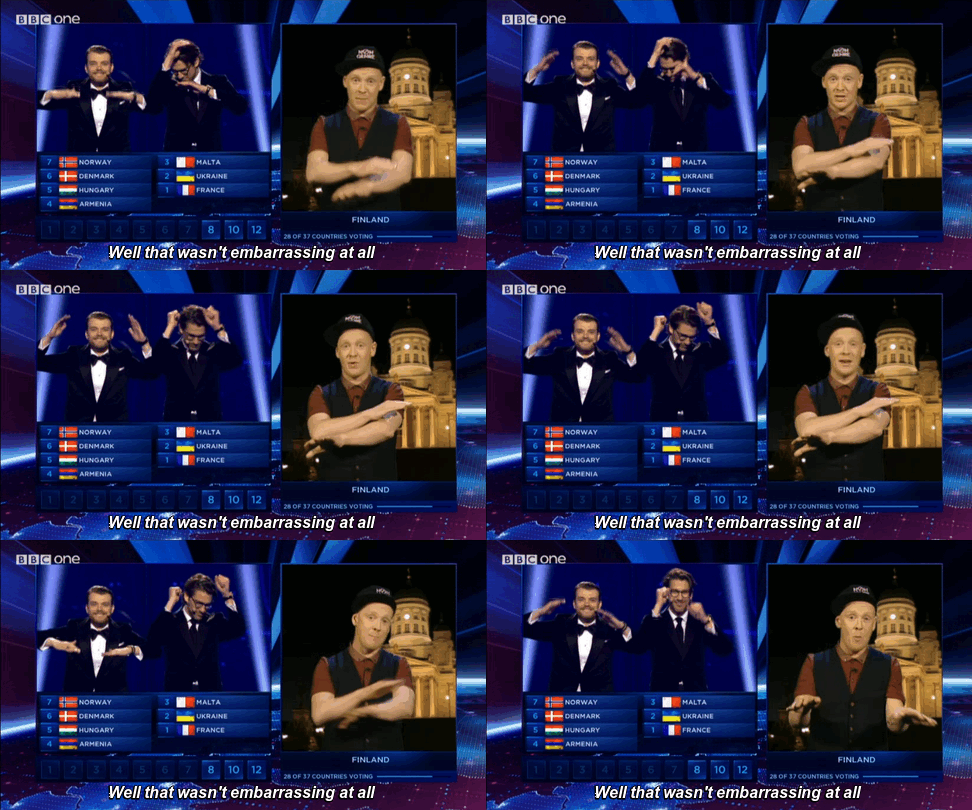
Eurovision Logic: With the round-the-houses system, we get an insight into the humour, style and sensibilities of our European neighbours. When there is a time-lag, things get deliciously awkward, especially when the announcers in each country end up manically grinning or saying something wonderfully clichéd or just plain weird. I would also recommend watching all the performances, if you are able to, and working out which is your favourite, or getting involved with an office sweepstake. Actually being invested in at least one country makes the voting much more exciting and interesting. Multiple drinks will also help.

giphy


Normal logic: Australia is not in Europe. Why is it in Eurovision? It doesn’t make sense and is stupid.

Eurovision Logic: Newsflash: Israel and Azerbaijan are not in Europe and have competed in Eurovision for very many years (and have both won). Even Morocco competed in Eurovision in 1980. Australia joined in 2015, to celebrate the competition’s 60th anniversary and had such a good time that they’ve decided to come back every year. What is there not to love about that? Lighten up. I think it is also a good idea to let people dwell in paradox for a while: life is all about ambiguity and uncertainty, things are never clear-cut, and Australia in Eurovision is a perfect metaphor for that. On a very deep level, somewhere, it makes absolute sense that Australia participates in Eurovision. I would love them to win and see the absolute existential flap people will, inevitably, get into. Guys, it’s going to be OK.

australia-is-competing-in-eurovision-again-and-ev-2-4295-1463274396-13_dblbig

Normal logic: Eurovision songs are cheesy pap and are the dregs of music

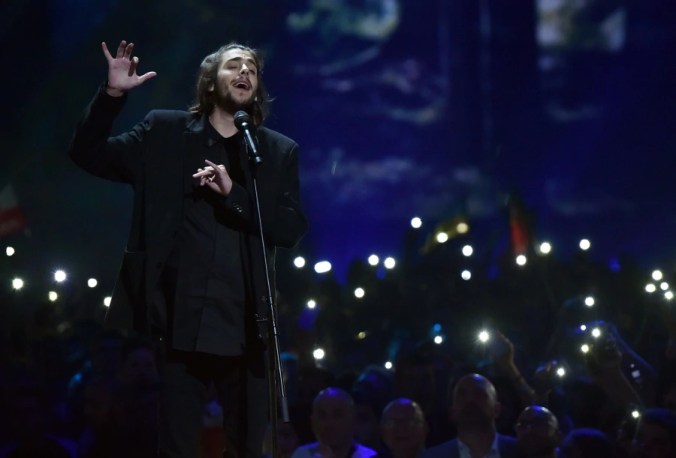
Eurovision logic: Yes, there are certain levels of cheesiness and corniness to the Eurovision song repertoire. My first impulse is to just embrace it and laugh along with it. All those songs about being ‘heroes’ and ‘grabbing the moment’ (both things Bowie sang about) are absolutely harmless and catchy as heck. My second impulse is to point out that there have been some amazingly mature songs in the competition, especially in recent years. There was The Common Linnets’ song ‘Calm After The Storm’ that came second for The Netherlands in 2014, missing out to Conchita Wurst’s absolute belter ‘Rise Like a Phoenix’; Belgium’s Loïc Nottet’s ‘Rhythm Inside’ in 2015 sounded like Lorde had written it; and the gorgeous, inimitable ‘Amar Pelos Dois’ sung by Portugal’s Salvador Sobral  won in 2017 and still gives me warm fuzzies. All truly, excellent songs. My third impulse tends towards the sassy: in the enduring and poetic words of last year’s winner, Netta, I’d rather dance with my dolls to the mother-bucka beat, than get all sour about it.

SalvadorSob_1494562609 (1)

So here’s to Eurovision 2019! It is a bit bizarre, but when has the bizarre also not been life-affirming and a little bit good for us? When not drinking all the drinks, eating all the European food and jigging around to all the songs, I’ll see you all on Twitter for the hilarious commentaries. I’ve heard that the singers from Iceland are some kind of BDSM group… let the wonderful chaos unfold.

[1] I would like to add as a small footnote that I am aware that Israel holding the competition is obviously very contentious, and look forward to seeing if the competition is used to make any protests or points, particularly in light of military action in Gaza in the past few weeks.

Love Note – Buffalo Cauliflower Wraps

*New Harping On food obsession alert*

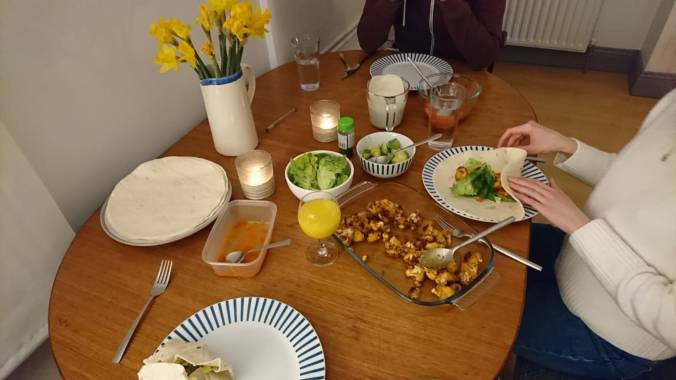
I’ve introduced this blog to the delights of Tofu Thursdays: now I have another culinary favourite to add to my repertoire. Monday night has become Buffalo Cauliflower Wraps Night (the catchiest name you will ever find).

First and foremost, thanks go initially to my lovely friend Dee who runs a blog called ‘Estrella’ (www.estrellablog.com) and who introduced me to this amazing meal. Dee is a Psychology graduate, currently training to be a life coach. Her writing revolves around personal development, conflict resolution and many other brilliant things. Head to her blog to find out more.

I have long been a proponent of the fajita and the falafel wrap (if you’re in Manchester, get down to ‘Falafil’ opposite Manchester Metropolitan University on Oxford Road, the best falafel wrap for the lowest price you will ever find). These wrap-revolving meals are tasty, quick and easy to make, and ensure that dinner time is as interactive and fun as possible. Buffalo Cauliflower Wraps are an excellent variation and addition to the wrap oeuvre, especially if you are vegan or are thinking of cutting down on the amount of meat you eat. I’ve added chickpeas to add a bit more protein and have developed a vegan ranch dressing using cashew nuts.

Ingredients

Group 1 -Bulk

Cauliflower

Tin of chickpeas

A healthy dose of Buffalo hot sauce (or Peri Peri sauce if you’re desperate)

2tbsp of olive oil (or other oil variation)

1 tsp. of chilli powder

1 tsp. of garlic powder

1 tsp. of paprika

1 tbsp. of golden syrup

2 avocados

Lettuce: I opt for either sweet gem lettuce or romaine lettuce

Wraps


Group 2 – Salsa

4/5 salad tomatoes

1/4 tsp. of chilli flakes

1 tsp. of basil


Group 3 – Vegan ranch dressing

Bag of cashew nuts from Aldi

Water

1 tbsp. white wine vinegar

1 tsp. garlic powder

1tsp. onion powder

1 tbsp. dry parsley

1tbsp. dry chives

½ tbsp. dry coriander

Optional: 2 tbsp. sesame oil and dash of soy milk


Method


  1. Preheat oven to 220 degrees Celsius
  2. Place cashew nuts into a Pyrex bowl
  3. Boil kettle, pour over cashew nuts and fill the bowl
  4. Place a plate over the top of the bowl and allow to soak. Apparently the longer you soak the cashews the better, but I always forget and this turns out just fine
  5. In a large bowl, combine hot sauce (enough to cover the cauliflower, add more if necessary), olive oil, chilli powder, garlic powder and paprika
  6. Wash and chop up the cauliflower into sizeable florets. Add to the bowl
  7. Open the chickpeas and stir in with the cauliflower and other ingredients
  8. Pour the mixture into a baking tray
  9. Drizzle the golden syrup over the cauliflower and chickpeas
  10. Put into the oven for twenty minutes (until slightly crisp around the edges)
  11. Cube the avocados and place into a bowl
  12. Roughly chop up the lettuce and put onto a plate
  13. Dice the tomatoes and place into a bowl. Add the chilli flakes and basil to make a cool salsa
  14. Drain the cashew nuts
  15. Put them into a NutriBullet, blender or food processor
  16. Add white wine vinegar, garlic powder, onion powder, parsley, chives, coriander, sesame oil and soy milk. Add water until you get to the maximum line of the cup
  17. Whizz up until creamy. It may appear a bit sludgey but it doesn’t matter
  18. Transfer into a jug and pop into the freezer to help speed up the cooling
  19. Remove the cauliflowers and chickpeas from the oven and transfer them back into the original mixing bowl
  20. Put the wraps onto a plate and warm them up in the microwave for 30 seconds
  21. Move all of your plates and bowls to the dining table area
  22. Remove the vegan ranch dressing from the freezer
  23. Get wrapping

Buffalo Cauliflowers again

Love Note – Vincent Van Gogh

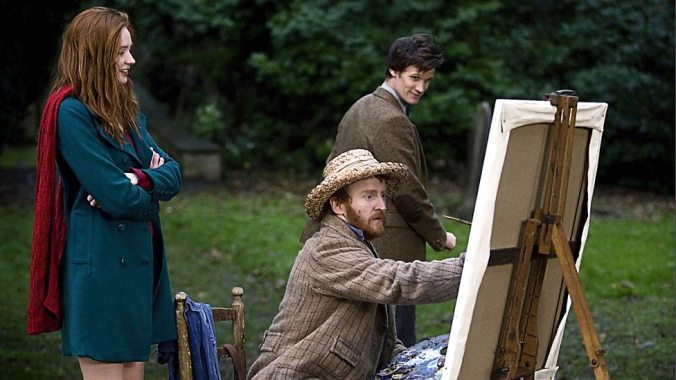
This is an anticipatory Love Note for when I get round to seeing a new film starring Willem Dafoe called At Eternity’s Gate. Dafoe stars as Vincent Van Gogh and charts the final years of his life in the South of France. I haven’t seen the film yet, so cannot possibly review or attest to how good the film is, but I am nevertheless excited to see one of my favourite painters depicted on screen. This is not the first time Van Gogh and his life has been depicted on screen: one of my favourite episodes of Dr Who brought Van Gogh to life through a very moving performance by Tom Curran.

vincent and the doctor

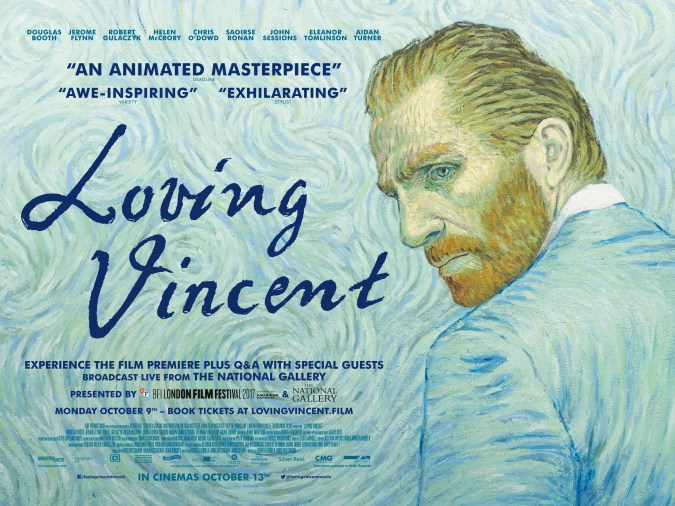
He was also represented in the visually stunning Loving Vincent, a truly extraordinary animated film that saw artists fluent in Van Gogh’s style paint frames telling the story of his final days. In both, Van Gogh was presented as tortured, immensely sensitive, almost living and breathing his wonderful art and terminally underappreciated and misunderstood.

loving vincent

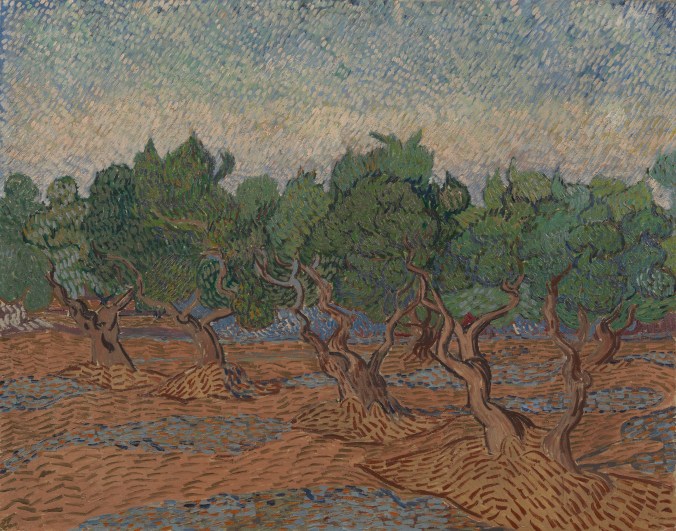
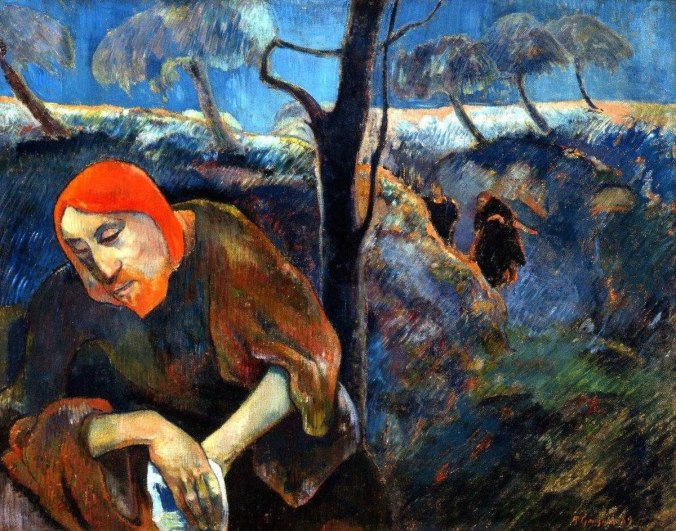
I have loved Van Gogh for a very long time and I think what made him extraordinarily gifted was his capacity to paint both places and people. His style captures the nuance and intricacy of whatever it is he is looking at, and his paintings almost hum with vibrancy, no matter whether he’s painting a field scene or exploring the lines of a weathered and weary face. Additionally, he only ever painted or represented the world around him. He may have done this in an utterly original and inspired way, but it was always a reflection of what he could actually see. This put him at odds with his contemporary Paul Gaugin, who drew from his imagination to create people and figures in his paintings. Van Gogh, on the other hand, would never do this. This aesthetic and practical difference can be seen in Van Gogh’s Olive Grove and Gaugin’s Christ on the Mount of Olives:

Van Gogh Olive Groves

1200px-Gauguin-christ-in-garden

This is not to say that Gaugin’s work is inferior in any way to Van Gogh’s (I actually think his Christ looks remarkably like Van Gogh in this painting, which is interesting), but it demonstrates a very interesting dynamic at work in Van Gogh’s art. His commitment to reflecting the world around him accurately, but with his own unique insight, makes his work at once highly personal and imaginative but always grounded in what is physical and real. It is endearing and almost egoless to bring such consciousness and attention to what he saw, rather than to emphasise the world by applying a story to it. Through Van Gogh’s art, we learn that the world itself is a story to tell, we don’t need to apply grand narratives of religion or myth to elevate it as such.

I have been fortunate enough to see Van Gogh’s paintings in the paint at both the Van Gogh museum in Amsterdam and from the Davies collection at the National Museum of Wales. What I learnt and what absolutely stood out to me, more than the tragic circumstances of his depression and his death, was that he was a masterful and learned technician. Whilst a lot of emphasis has been placed in popular culture on his naiveté and the impressionistic and emotional ecstasy of his paintings, what I learned was that he had an almost academic approach to art. Van Gogh developed his technique out of dedicated and meticulous study and practice. He took lessons from Anton Mauve in the Hague, studied colour theory through Charles Blanc’s colour wheel and through analysis of Eugène Delacroix’s paintings, explored pointillism and the un-mixing of colours through the work of Georges Sauret, experimented in a Japanese style through a study of Japanese woodcuts, and from his friendships with Toulouse Lautrec and Émile Bernard learnt about the versatility and vibrancy of pastels. Passionate and zealous as he famously was with his impressions and interpretations of the world around him, Van Gogh was a learned and masterful technician. I don’t think this should be overshadowed by the turbulence of his relationships or his volatile mental health. He may have found inspiration in his pain and darkness, but his expression of it came from hours, days and years of practice and development.

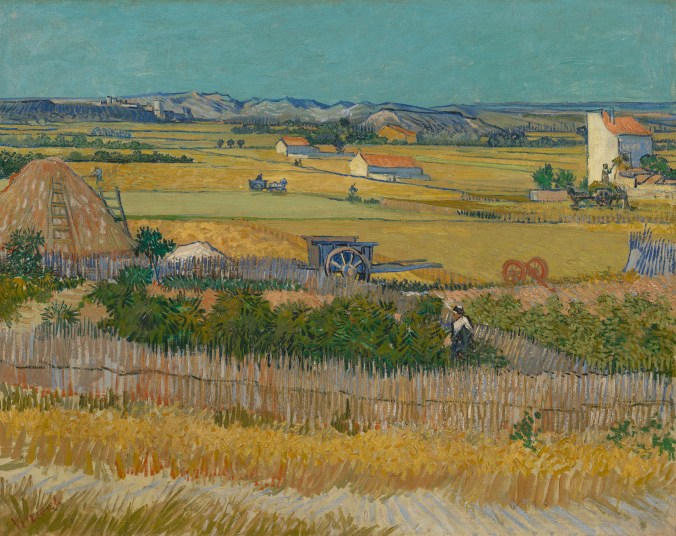
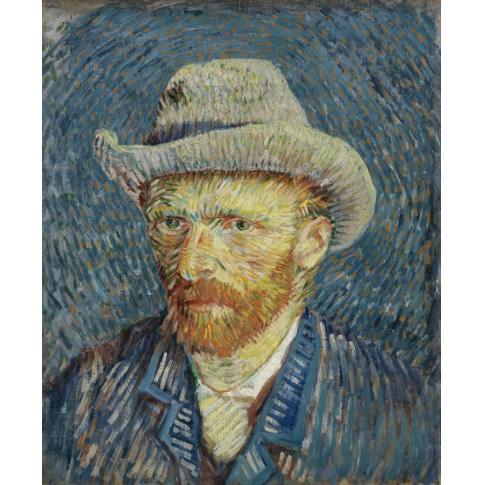
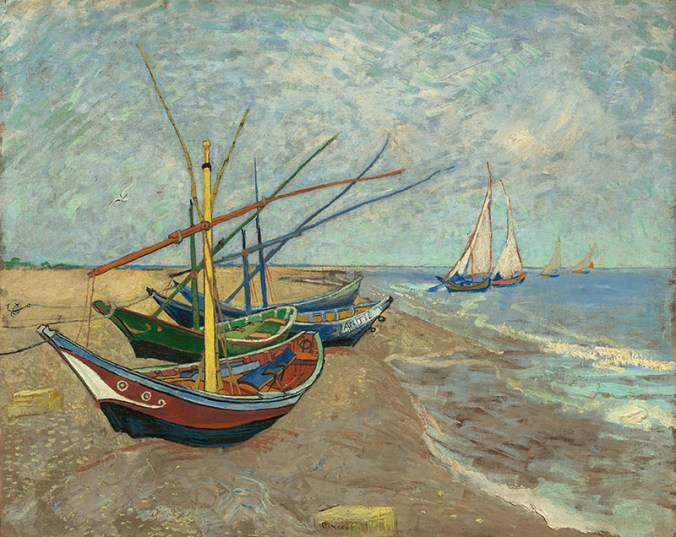
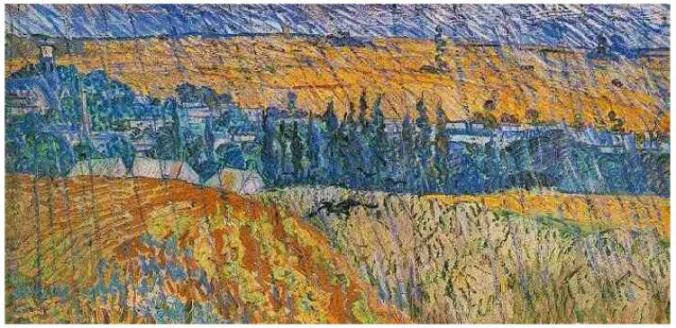
Here are some of my favourite pieces of Van Gogh’s work:

Van gogh the harvest

The Harvest, June 1888 – The warmth of the sun radiates in this painting, everything that summer should be.

van gogh self portrait

Self Portrait with Grey Felt Hat, c.1887 – I have this painting on a postcard hanging up in my flat and I think it is beautiful. The sun-scorched orange of his beard complements the bright blue of his clothes and background, and the green tinges around his eyes and brow convey his deeper emotional sensitivity.

Vincent-van-Gogh-Vissersboten-op-het-strand-van-Les-Saintes-Maries-de-la-Mer-V006

Fishing Boats on the Beach at Saintes-Maries, June 1888 – This is another painting on a postcard that I have hanging in my flat (courtesy of my boyfriend who loves this particular painting). It is reflective of Van Gogh’s interest in Japanese art.

van-gogh-rain-auvers-1890

Rain – Auvers, 1890 – I saw this painting at the National Museum of Wales in Cardiff and it brought tears to my eyes. There is a battle going on here between the sunny warmth of the land and the deep, dark despair of the rain. It reminds me that no matter how depressed, anxious and afraid we may feel, the land needs to be watered to flourish; goodness, light and clarity come from embracing and moving through the dark and difficult times.

Love Note – Fantasia

Last week there was a Saturday matinee viewing of Disney’s Fantasia at Broadway cinema in Nottingham and I missed it. This was slightly devastating because Fantasia is a film that I have loved for a very long time and the prospect of seeing it on a big screen was very, very exciting. It is a stunning love letter to both the art of animation and classical music, which I’m sure were both sweeping in their scale on the big screen. And I bloody missed it.

It was through Fantasia, and the ingenuity of the art and story-telling teams that helped to create it, that my interest in classical music was sparked. As a child, and even now as a (more or less) adult, classical music has sometimes felt kind of ‘beyond’ me. When I was younger, it reeked of ‘posh’, of older people driving around in Volvo estates or wearing suits and nodding along knowingly to some movement of this piece by that dead guy. The classical music I enjoyed when I was little was music that explicitly told a story, for example Prokofiev’s Peter and the Wolf (even though, interestingly, the grandfather and wolf parts both scared me shitless) or that I could dance to. Fantasia captured my imagination and, subsequently, each of the pieces of music brought to animated life now has a special place in my heart.

Pastoral symphony

The combination of high musical art with the low brow familiarity of cartoon animation, rooted as it is in child-friendly bright colours, humour and anthropomorphic animals, is highly effective. Bringing both forms into conversation with one another undoubtedly broadens the way in which we think about both. The mass production and appeal of cartoon animation offers a friendlier introduction to the obscure and privileged world of classical music. Similarly the drama of classical music, and the requirement of animation to creatively and accurately interpret inflections, time signatures and important ideas within the pieces’ structures, elevates the artistry and production of animation.

Toccata and Fugue in D Minor EDIT 1

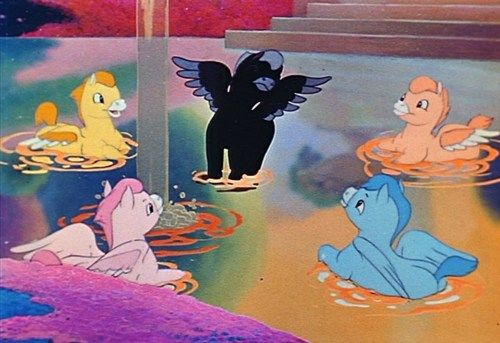
It’s hard to narrow down which segment of the Fantasia programme I like the most: I have a very soft spot for The Nutcracker Suite by Tchaikovsky, Dance of the Hours by Amilcare Ponchielli and Beethoven’s Pastoral Symphony (I really wanted to make friends with a pink unicorn or a flying horse, and my sister and I used to shelter all our cuddly toys under blankets during the storm).[1] As I’ve grown older, I have a renewed appreciation for Bach’s Toccata and Fugue in B Minor, which I initially thought was slightly boring but now find completely captivating.  However, I think it is Stravinsky’s The Rite of Spring that has been the most enduringly important piece of music that Fantasia introduced to me.

fantasia_pdvd_852

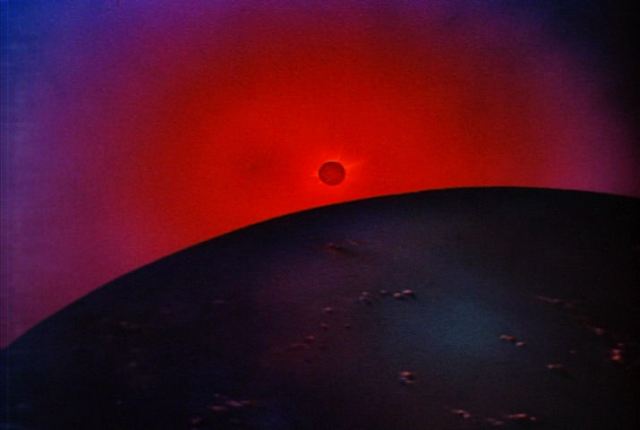
I remember listening to Deems Taylor’s introduction of the piece and referring to the music as originally written for a ballet, displaying ‘a simple series of tribal dances’. Listening and watching the unfolding animation had me begging desperately: How on earth could you do ballet to THIS?! My conception of ballet as a world of tutus, pointe shoes and graceful arabesques, incidentally seen elsewhere in Fantasia, was completely at odds with this frightening, stompy music. Music that helped to depict violent volcanic eruptions, a T-Rex fighting and killing a slow and considerably weaker stegosaurus, the eventual death march and extinction of all the dinosaurs, and an eerie eclipse hovering over this pockmarked, burnt out planet. The pained and wailing face of a diplodocus trapped in mud and burning in the heat is seared into my memory. No, this, whatever this was, was not conducive to ballet at all.

At the time, I had no idea that this type of music required an entirely different type of dancing, which I later explored at length in my Master’s dissertation. Indeed, I wouldn’t have written that dissertation at all if my interest hadn’t been piqued at such a young age. Fantasia rearranges the music of the original ballet quite significantly, but it is still an exceptional introduction to a truly staggering piece of music. I will no doubt bring The Rite of Spring to my blog at a later date, because it is such an important piece of music to me that has followed me around for many years. But for now, I want to appreciate just how wonderful Fantasia is and how grateful I am that, in spite of its limited commercial success in 1940, it has endured.

And I bloody missed it last week.


[1] I want to acknowledge here the problematic nature of Disney’s visualisation of The Pastoral Symphony in particular. This segment featured heavily racist stereotypes in the first production, which have since been edited out, and a beauty contest where the ‘pretty’ (read: not black) centaur women strut about and are picked one at a time by handsome centaur men to be their lovers. The racism and sexism is obviously unacceptable and makes for uncomfortable viewing.  

Love Note – The Vogue Colouring Book

I hate/love to sound like a two year old, but I was inspired to buy a colouring book after seeing my friend’s. She has a Harry Potter-themed one and had done a beautiful job of meticulously colouring in the scene of Harry and Ron flying Arthur Weasley’s Ford Anglia. Her shading was gorgeous. Where I would have coloured Harry and Ron in pink, she had expertly blended a combination of peach, yellow and cream to re-create the colour of white skin. I realised that good colouring requires a lot more skill than just picking a crayon and keeping between the lines. I had some arty things to learn.

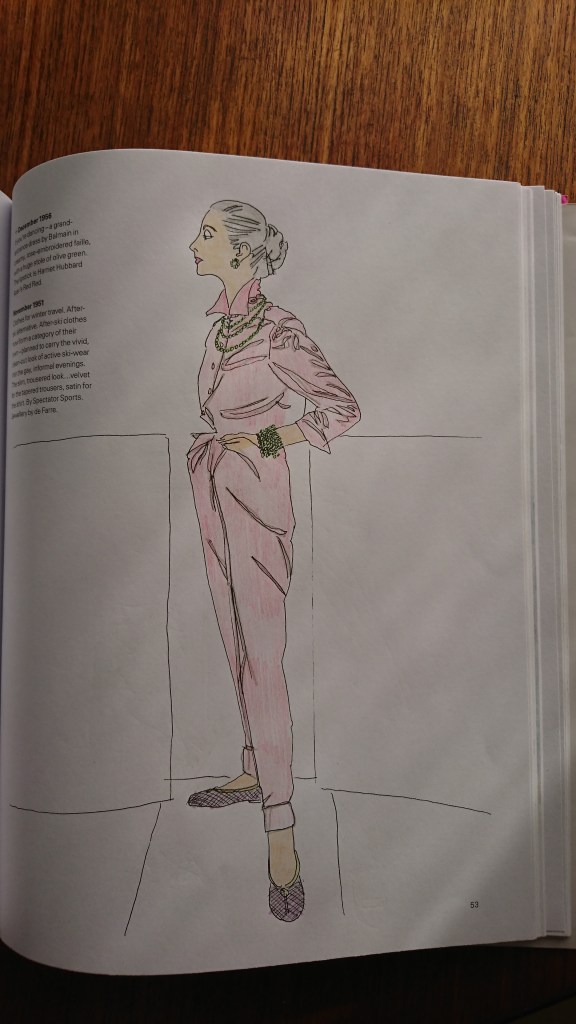
When the Vogue colouring book was published I was all over it like it was a Selfridges sale (top tip you guys: Paige jeans. The best fitting jeans you will ever wear, will last forever if you wash them cold, ethically made in Los Angeles, £350 in real life but often reduced to £70 in the Selfridges sale. You can thank me later). As much as I would like to make clothing, I have never learnt how and it is unlikely to happen anytime soon. I tried my hand at designing clothing when I was in secondary school, have binged on multiple episodes of Project Runway and have taken a particular interest in fashion writing for many, many years, so the opportunity to colour in some glorious illustrations from the 1950s seemed like too much fun to miss. I nabbed a copy after visiting the Vogue 100 exhibition at the National Portrait Gallery in 2016.

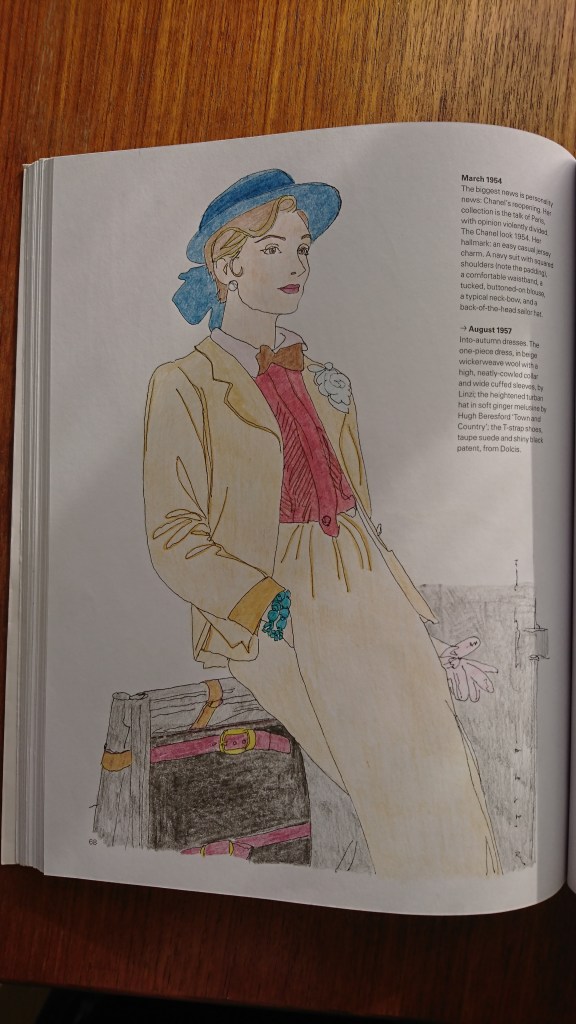
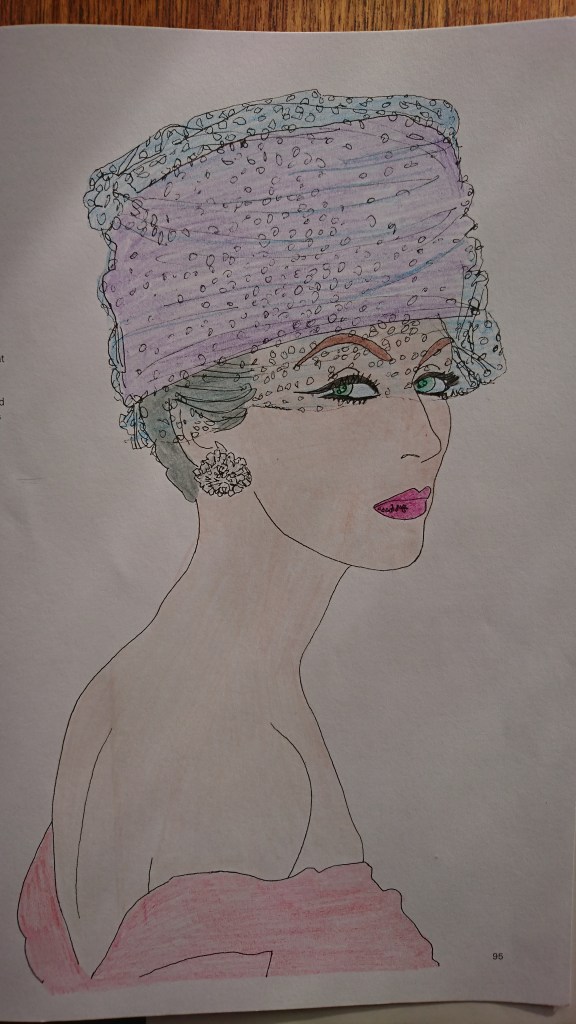
Ever since then, all of my fashion designing delusions of grandeur have been released in a healthy safe, way. I rarely follow the original description copy in the book, choosing to blaze my own (ridiculous) trail. With my box of crayons, I have tested my sartorial eye by colour clashing, at times imagining myself as Alessandro Michele, Raf Simons and Phoebe Philo, and even put Hubert de Givenchy to shame with a great replication of an LBD. Aside from colouring one woman’s arm in purple by accident, there have been no huge disasters.

It might all be a bit silly but I can safely say that I’ve had a whole lot of fun, expressed myself in a creative capacity when I’ve been bored and tempted to scroll through Instagram, and I’ve given myself a bit of styling education and practice. Here are some of my favourite exhibits and design notes:

Woman in beige

Kate Moss once said in conversation with Nick Knight that she would be loath to wear a beige suit, so I decided to try and make a beige suit look nice. I think it’s OK.


Woman in turqouise

This woman encapsulates all my turquoise-mermaid-dress-and-turban-combo ambitions. I love this look.


Woman who looks like Meryl Streep

This woman is spits of Meryl Streep. It’s ridiculous.


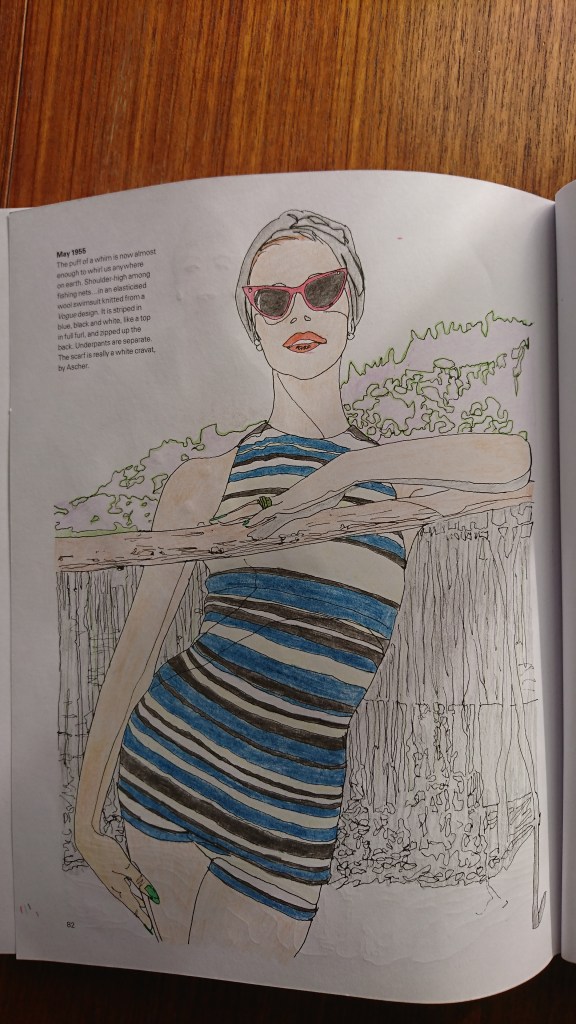
Woman in stripes

Beachwear that dreams are made of but I wish I’d done the glasses in tortoiseshell #hindsight #designerproblems


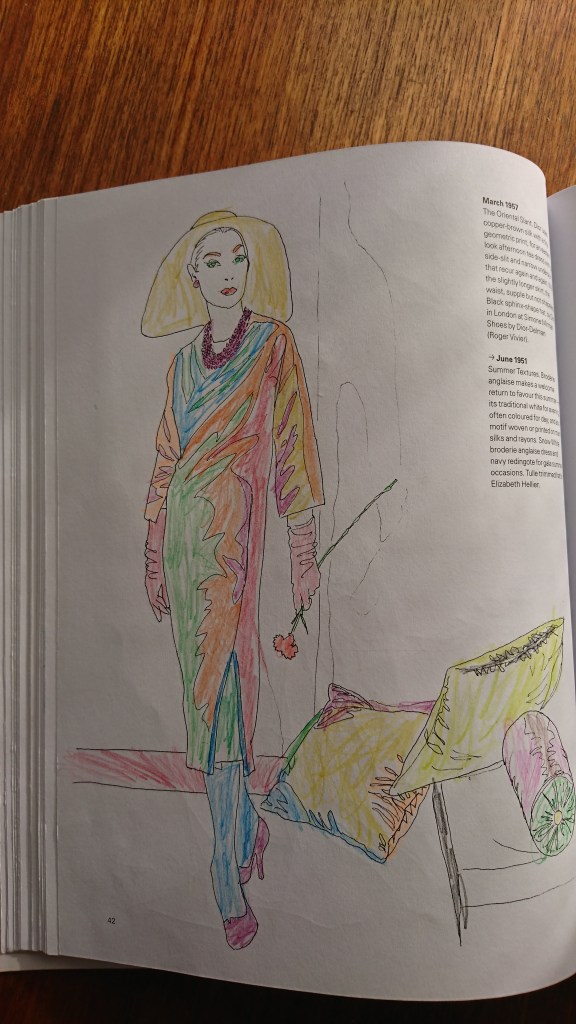
Woman done by Stanley

Sharing is caring and I let a little family member colour this woman in. I have to say, I’m liking the psychedelic vibes.


women-by-nicole-and-i.jpg

Similarly with these women. My sister did some really quite expert shading for the woman on the left, whilst I went for statement (millenial?) pink on the right. I also did the dog.


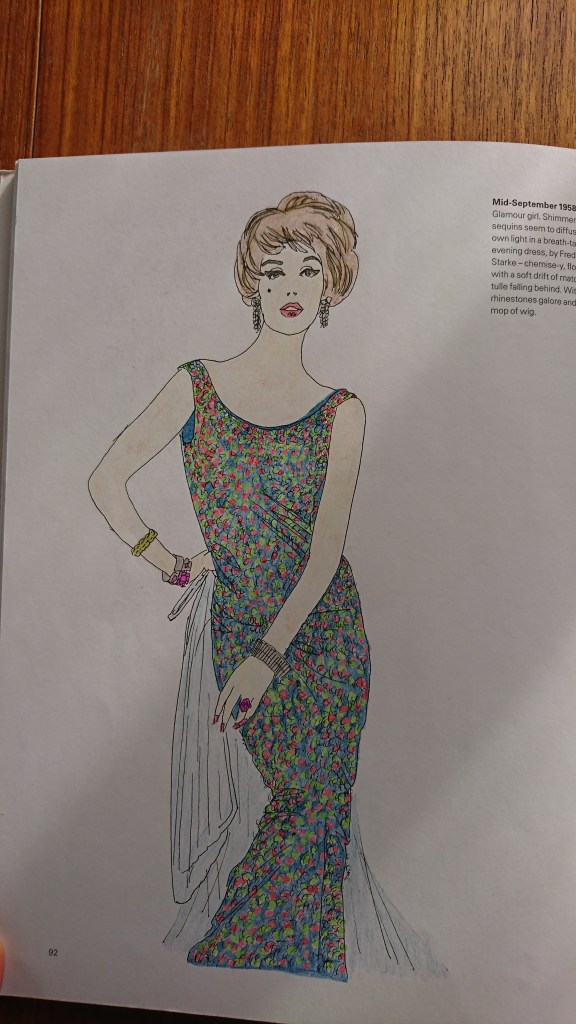
Woman who looks fabulous

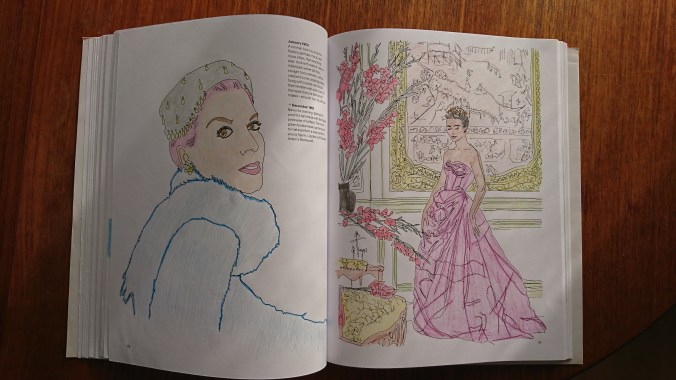
This dress was inspired by Jennifer Lawrence’s dress at the SAG Awards in 2014. I don’t know why I remember that dress so clearly, but I do. Textbook Raf Simons.


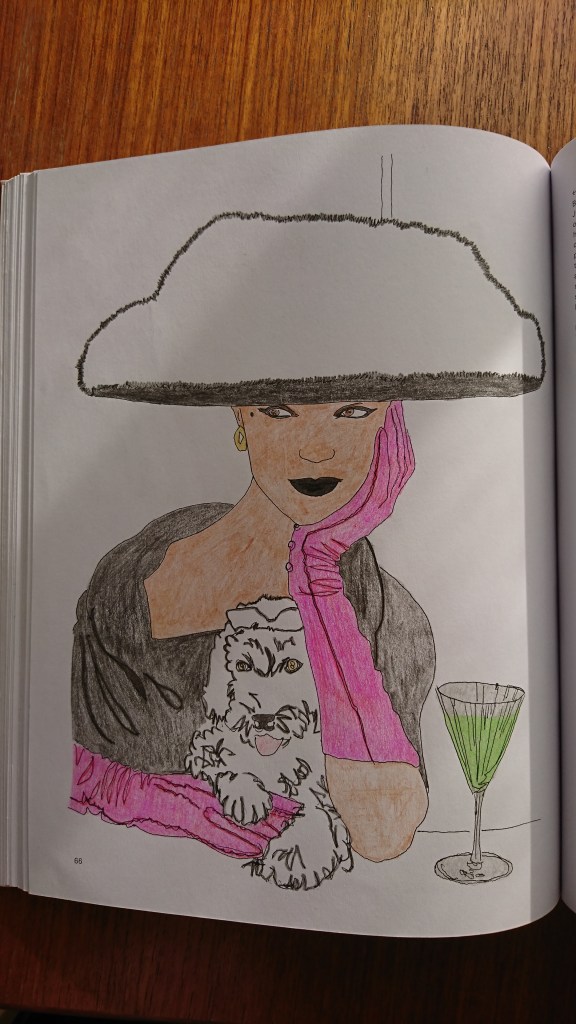
Woman with dog and absinthe

So many life goals right here: cute dog in hand, a glass of Absinthe, killer hat, sassy gloves and black lipstick done well.


Woman in red

This woman reminds me of the fabulous Jacquie ‘Tajah’ Murdock, who was cast in a Lanvin advertising campaign in 2012 at the age of 82. When I am an older woman, I hope to pull off a red jumpsuit with this much grace.


Woman who looks like a Hitchcock film

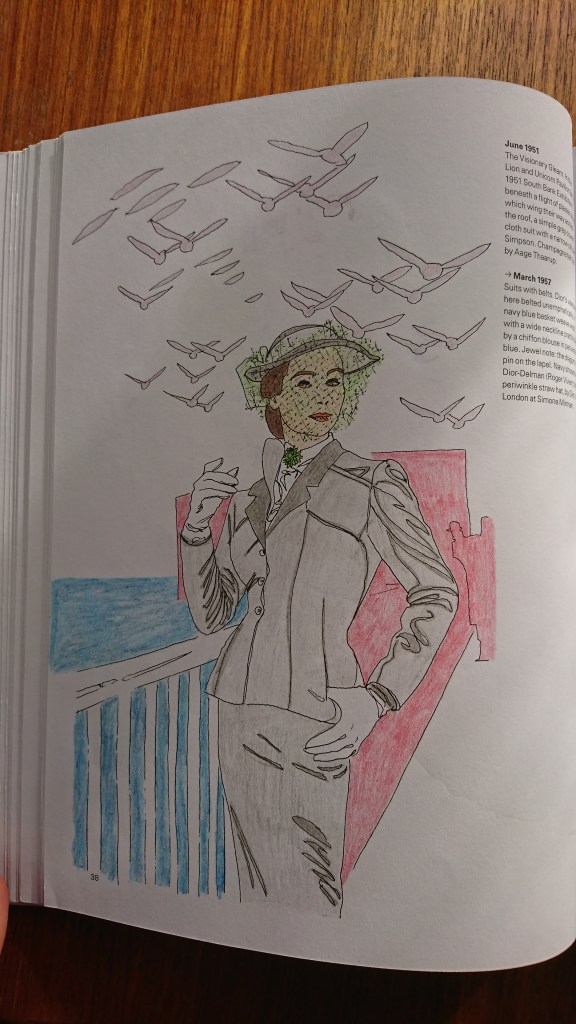
I feel like I created a Hitchcock heroine here and I am thrilled. I didn’t realise that skirt suits come great in a cool grey, a green veil is all I’ve ever dreamed of and that all seagulls should be pink.


Pink hair don't care

Pink hair don’t care (I would LOVE to give this a go one day.). And yes. The Balmain sweepy on the right makes me weepy. I need a moment like this in a dress like that in the future sometime (please sartorial gods).

Love Note: Skiing and Snowboarding

“I felt my lungs inflate with the onrush of scenery—air, mountains, trees, people. I thought, “This is what it is to be happy.”

I am fortunate enough to have spent many years learning how to ski and it is one of my favourite things on the planet. Esther Greenwood’s description of the sport in Sylvia Plath’s The Bell Jar (see above) is absolutely accurate and I couldn’t have put it better myself. I am aware that skiing is a leisure preserve of the middle class and is obscenely expensive; indeed I haven’t been on a skiing holiday in years because I can’t afford it. However, through skiing, I have had some life-changing experiences, met some amazing people and had a whole lot of fun:

Experiences like being five years old and falling off a drag lift and crying in despair (I thought I was lost forever). My instructor, Yannik, scooped me up, tucked me safely in front of him and got me safely up the mountain. There, he kneeled down next to me and pulled off his glove revealing that his right hand was missing. Seeing this shocked me into silence and he said warmly, ‘If I can ski with one hand, you can do anything’;

Bouncing through bumpy forest trails as part of a crocodile of squealing children, gasping with laughter, barely in control and skiing through the most magical wintry surroundings;

Having existential conversations with fellow ten year olds on chair lifts: kids I met and knew for a week, put the world to rights with and then never saw again. This included one British kid I met in Colorado who, after an extensive conversation about winning the lottery, turned out to be related to my P.E. teacher who had taken early retirement after winning the Lotto jackpot a mere two weeks before;

Battling my way down notorious slopes like ‘Sache’ in Val-D’Isère, ‘Shock’ in Breckenridge, ‘Creux Noir’ in Courchevel and ‘Ghengis Khan’ in Vail;

Experiencing the elements in a visceral way, whether it’s gliding around in brilliant sunshine and sparkling snow, or using your gloves as a makeshift mask when snow is hitting your face in sharp pellets;

Learning how to properly carve by an Australian called John who lived his best life teaching kids how to ski during the winter and working as a carpenter in the summer;

Witnessing and experiencing a multitude of mishaps and injuries, for example: falling off a chairlift due to a cacophony of communication errors; falling off a T-Bar with a friend due to a lot of bad luck (why am I always falling off things?!); watching my dad plough into a snow wall he couldn’t see because it was the same colour as the cloud we were skiing through (I almost wet myself laughing); chomping on my tongue during a fall and spitting blood for ten minutes; watching someone in my ski group snap a ligament in her leg and being tobogganed down the mountain; and, the worst, watching 18 year old Neal Valiton tumble to his death during the 2007 IFSA World Freeride Championship in Tignes.

Skiing is fun and some mistakes are unfortunate and unavoidable, but anyone who doesn’t take yours and their safety extremely seriously isn’t worth skiing with. The mountain is beautiful but it is not always your friend. In light of this, it can become an incredibly mindful sport: you plonk yourself on the side of a mountain and somehow you have to get down as safely as possible. For me, crazy as it sounds, what ensues is a very clear and concerted inner conversation with myself. I have to navigate my way through ice and moguls, through white outs with zero visibility and the chaos that are nursery slopes at the end of the day, deciding how big or short my turns have to be, how much speed I can afford to pick up and how the rest of my group are getting along. In the process I give myself pep talks, sometimes even sing to myself when I get a good rhythm, and the whole effect is ridiculously calming.

This was proved again last weekend when I had my first snowboarding lesson at the Tamworth Snow Dome. To begin with, it felt almost sacrilegious because I had abandoned skis and poles for extremely comfortable boots and a single plank with sharp edges. But, after a shaky start, which included screaming in the instructor’s face as he helped me to edge down the hill, I dropped down into that calm, mature inner place that doesn’t always make itself known on a day-to-day basis. It was clear and confident, and sounded like: ‘OK Harper, we’re here now, on a snowboard, slightly out of control, what are we going to do about it?’ I slowed down, becoming mindful of my body and it’s movements (including the limits of what I was currently able to do) and, in so doing, embraced this new and disorientating experience. I have realised that my work is to try and tap into this place a lot more often.


(Featured image is my photo of El Pas de la Casa resort in Andorra, 2015)

Love Note – ‘Please Mr Kennedy’

The first Coen Brothers film I watched was Fargo when I was 18 and I really didn’t get it. The parody of a ‘true’ crime drama, with its humour and comic book violence, was all lost on me. As I’ve grown older, my awareness and appreciation of the Coen oeuvre has increased and expanded. My main Coen Brothers eureka moment came with A Serious Man, by way of True Grit and No Country for Old Men (I still need to watch The Big Lebowski and others). With Larry’s exasperated declaration that ‘I don’t want Santana Abraxis! I’ve just been in a terrible auto accident!’ I finally understood the full hilarious extent of the artful and subtle writing. Which brings me to Inside Llewyn Davis, which I find hilarious and joyful in its anger and misery, and it has become one of my favourites.

Llewyn is my favourite kind of grumpy arse who believes he should be an uber-successful musician but is blinded by pride, egotism and poor decision-making capabilities.[1] He has opportunities to help himself throughout the film, but prefers rather to wallow in his own self-importance and curse everyone around him for his short-sightedness, bad luck and inability to compromise. I love Llewyn because he is propelled by both intense delusions of grandeur but also a kind of endearing vulnerability that prevents him from being able to do anything else but be creative. The film was criticised by Suzanne Vega for turning the folk scene in 1960s New York into ‘a slow brown sad movie’, but I think this is to misunderstand what the Coens are getting at: there probably was a Llewyn in 1960s New York, just as there was probably a Llewyn at every point in artistic history. Wherever art and creativity are mixed up with commercial success, fame and recognition, there is going to be a Llewyn. Where there’s a Bob Dylan, there is a Llewyn. There has always been a Llewyn and there will always be a Llewyn.

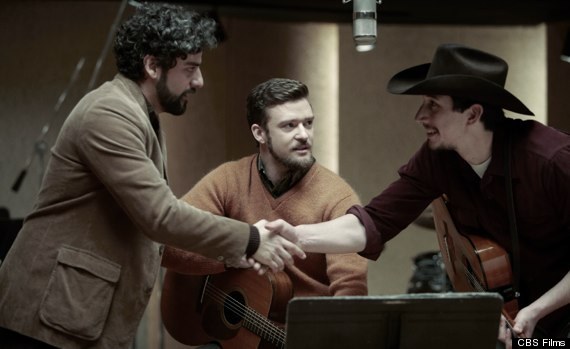
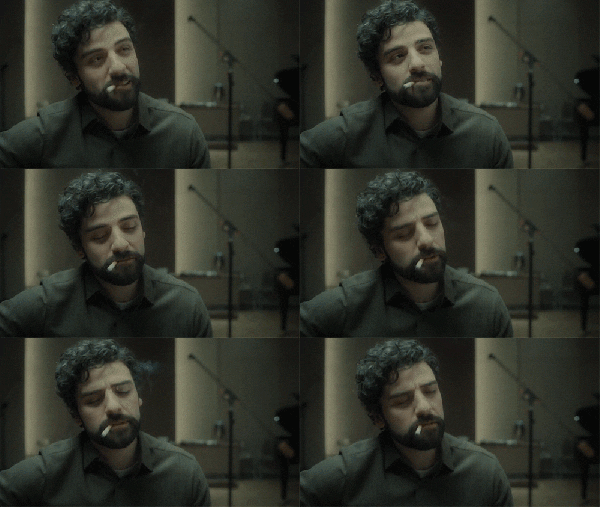
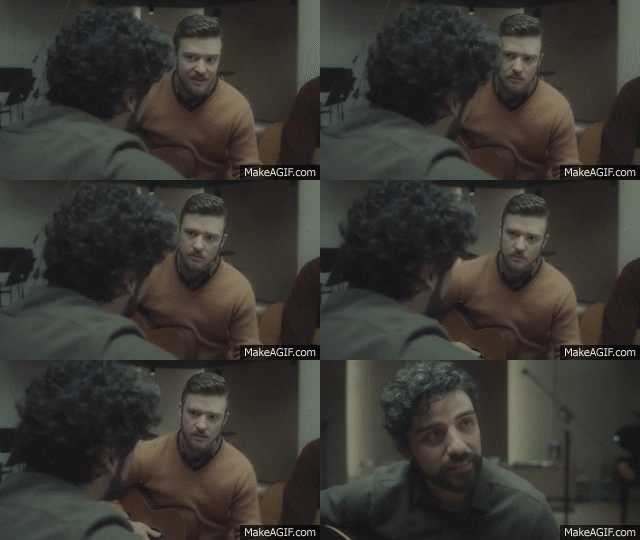
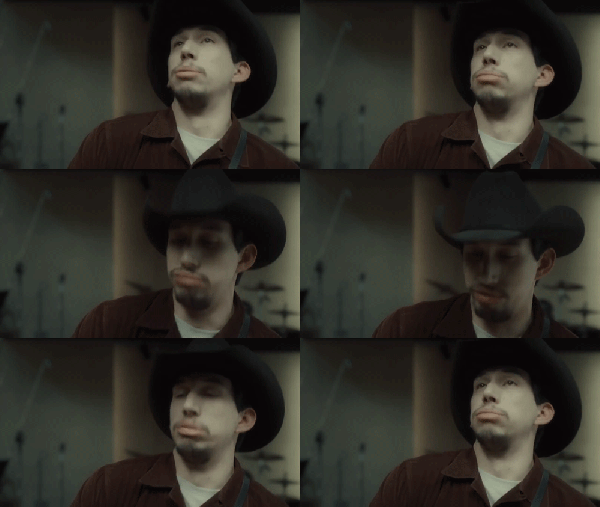
One of my favourite scenes in the film is where Llewyn records a childish, novelty song with Jim Berkey (Justin Timberlake) and Al Cody (Adam Driver). ‘Please Mr Kennedy’ gives me life and I frequently sing it around the house, getting it stuck in the heads of loved ones around me (you’re welcome). Click the photo below to have a watch:

hqdefault

I love everything about this 2 minutes and 59 seconds. I love the hideousness of Justin Timberlake’s beige jumper; Oscar Isaac’s cooler-than-thou cigarette hanging from his mouth; the nauseating earnestness of Timberlake’s insistence of two ‘P Ps’ before ‘please’; I love that Llewyn thinks he’s too good for the song (Llewyn: Who wrote this? Jim: I did); I love Timberlake singing and staring God-wards as though he’s delivering the most profound song in the world, when it’s probably the most ridiculous; the series of surreal blurtings and ejaculations in the scene-stealing performance of Adam Driver (‘One second please!’ and ‘Uh Oh!’ being my favourite accompaniments); the cheesiness of Timberlake’s ‘Oh pleeeeeeease’ and Llewyn’s sterling attempts to meet him with his eyes closed; and I love the stupid lyrics and the stupid music. The whole thing is just hilarious.[2]

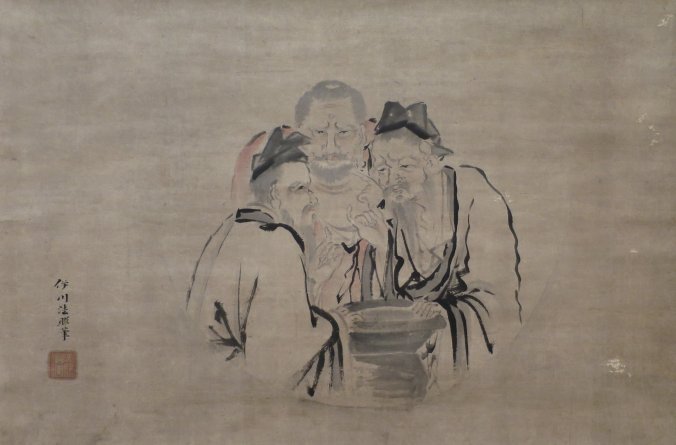
As well as being a bonafide ear worm, I love ‘Please Mr Kennedy’ because I realised that it loosely presents a bit of an allegory for life. It reminds me of a famous painting that depicts the three standard bearers of Eastern philosophy and spirituality: the vinegar tasters.

o-PLEASE-MR-KENNEDY-570

'The_Three_Vinegar_Tasters'_by_Kano_Isen'in,_c._1802-1816,_Honolulu_Museum_of_Art,_6156.1

The picture depicts Confucius, Buddha and Lao Tsu and represent the basic tenets of their belief systems: Confucianism, Buddhism and Taoism. We have Confucius, who perceives life as full of corruption and people needing saving from degeneration: he tastes vinegar as sour, as ‘polluted wine’. Llewyn, the archetypal mardy bum hates ‘Please Mr Kennedy’, thinks it’s crap and wants to blast his way through it to get to the folk music career he wants.

N7J4

Jim represents (in a very loose way, please indulge me), Buddha. Buddha sees that tasting vinegar exposes him to bitterness, life’s bitterness. We are offered the opportunity to practice not avoiding the difficulties and trials of life, but also to practice not being overwhelmed by them either. Jim understands that he cannot take responsibility for himself and his family by pursuing a career as a purist folk singer. Whilst he performs folk classics at The Gaslight Café, he also makes space for a crap novelty song, no less earnest and with no less integrity in his performance of it as he is of ‘500 Miles’. Either which way, he is performing, practising, trying to find a middle way.

giphy

Al represents Lao Tsu and the Tao. Lao Tsu tastes the vinegar and rejoices in the vinegar-ness of the vinegar. It is sweet to Lao Tsu because it is manifesting according to its nature, exactly as it should: when life is appreciated as it should, it becomes sweet. In a similar way, Al Cody is committed to ‘Please Mr Kennedy’ for what it is, no qualms, no quarrels but with plenty of gusto and dedication. His singing part requires no less: a half-hearted ‘Outer Space!’ just wouldn’t work. As such, as I mentioned earlier, he pretty much steals the scene.

N7J3

‘Please Mr Kennedy’ is a shmuck song, artistically questionable, a real toe-tapper and perhaps the most important song in the entire film. To appreciate it speaks volumes and to not appreciate it speaks volumes. I think we have all three characters inside of us at any one point and they all have something to teach us. I’ve had many a Llewyn day, which is fine: Llewyn is great, I wouldn’t not be a bit Llewyn. But I would encourage myself, as much as possible, to be Al: to appreciate and revel in the nature of things just as they are. This sublimely ridiculous life, encapsulated in this sublimely silly song, requires just as much humour and healthy ridiculousness to meet it.

[1] Llewyn is Welsh for ‘lion’ or ‘leader’, which just feeds the wonderful irony about this miserable, supercilious protagonist.

[2] What makes this all even better, now that time and pop culture have elapsed since 2013, is that Oscar Isaac and Adam Driver now play adversaries Poe Dameron and Kylo Ren in the new Star Wars films. What a joy it is to see these two men, stars of the biggest sci-fi franchise of all time, strumming away singing the best stupid song about space ever written. Sarah Brightman’s ‘I Lost My Heart to a Star Ship Trooper’ must be the worst stupid song about space ever written.


Love Note – Having a cold

Here’s the situation: a stranger breathed into my face on Monday (I work a people-facing job) and now the harbingers of disease are waving their red flags in my body. My throat has seized up, I’m sneezing constantly, my nose is blocked, I’m fatigued and the creeping dread of infirmity has descended on me like a dark cloud. I pine for the days when I wasn’t ill, cursing the daily hubris of complacency that prevented me from truly appreciating my health now that I can’t breathe, my limbs ache and my sneezes trumpet forlornly into the gloomy, snotty night.

I am coming to believe, however, that amongst all of this bodily dysfunction, I am being presented with a number of opportunities here. I can rage and throw myself a big pity party for the duration, which I am so tempted to do, or I can heed my body’s calls to slow everything right down. I can ask myself a question that I don’t really ask enough: what do I really need right now?

What can freak us out about being ill is that slowing down on a physical level can mean getting stuck in our heads, which can be challenging places to be. We live such fast-paced and distracted lives: all looking ahead to the next goal, the next weekend, the next project, and using our downtime to scroll mindlessly and binge on television, films and YouTube videos. I don’t think we are used to nurturing ourselves properly in those quiet moments we have on a regular basis, in that we don’t give ourselves a proper chance to rest, to be present, to just be with ourselves. As a result, this can make times when we are ill, and have no choice but to slow down, very uncomfortable. My being ill in the past has made me feel quite anxious, where I have begun to wallow in negative thoughts, am hit by big fears and feel lost and listless.

So again: what is needed? On a physical level I need water, lots of water. Vitamin C is also my best friend: I had a smoothie this morning made from peaches, blueberries, banana and grapes. I have kiwis waiting for me when I get home. Lunch comprised of leftover chickpea and spinach curry (thank you MW), where I’m hoping the heat will work its pain-relieving qualities and get some movement through this bunged up nasal situation. I have found that ginger (raw or in tea) is miraculous at counteracting nausea and nothing is as comforting as a bowl of soup and a hot cup of tea.

I might do some journaling or dialoguing with some of the thoughts and worries that flare up, starting by asking myself why it stresses me out so much when I get ill, why slowing down is so draining for me. If I can sit with and move through that discomfort for a bit, then I might be able to find some clarity and lightness. Practising gratitude is also such a worthwhile thing to do. Instead of feeling sorry for myself, I can take time to reflect on things big and small: like how bloody lucky I am to have such amazing people in my life, but also how much simple joy I get from a bright sunny day. Or doughnuts. What would I do without doughnuts?

I would be so tempted to spend all day binge watching Disney films or my beloved Real Housewives trash (and some room can definitely be made for one or two of these things), but binging in general is not a good idea. Instead, I could do a variety of nourishing things like reading, carving out time to meditate, preparing some writing for my blog, doing some colouring in my Vogue colouring book (a guaranteed way to unleash all my fashionable delusions of grandeur), taking a nice warm shower, having multiple naps if my body needs it and finally: fresh air. Obviously if you’re completely bed-ridden, this is nigh-on impossible: but I will always try and get some fresh air flowing by either going for the smallest of walks or making sure that a window is open.

Being ill is unpleasant, but it doesn’t have to be wasted time. In fact, it could be seen as an invitation to spend some better time with yourself. There are many things I know I can do to help relieve my symptoms and make sure that I attend to my emotional wellbeing in a healthy way. It’s easier said than done, but just trying to take these steps has got to be more productive than resorting to the old pity party.[1]

[1] Just an NB: a great friend often reminds me that unions fought for our rights to have paid sick leave. If you are ill, you have every single right to take whatever time you need to recover. It will mean you go back to work even fresher, you will be more present and your colleagues are not at risk of contracting your malady. Obviously if you’re really ill, get yourself to the bloody doctor.